
One Child, One Soldier
China fields a military where 70-80% of soldiers are only children. In this article, I explore how China's One-Child Policy is shaping the PLA and Xi's strategic calculus.

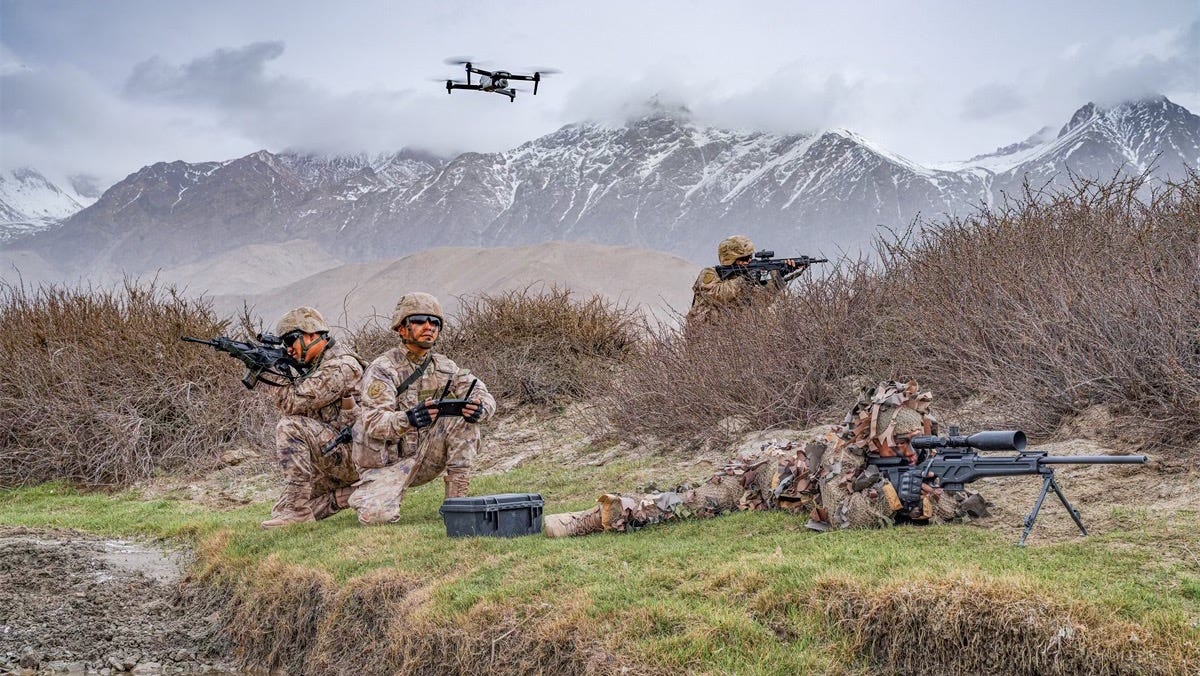
I recently returned from a research visit to Taiwan. There, I was able to meet with a range of military and civilian organisations, and discuss issues related to national security and military affairs. One particular topic I discussed with several people during my visit was the implications of China’s one-child policy on military institutions. This article is the result of those conversations.
If you have to look at the Chinese leadership’s track record on population issues, it’s been spectacularly brilliantly bad from the inception of the one child policy to our discussion here today. [It has been] absolutely tone deaf and genius at coming up at creating unintentional consequences for the intended objectives that they have tried to achieve.” Nicholas Eberstadt, School of War podcast, 8 May 2026
China’s one-child policy, implemented in 1980 and not retired until 2015, represents one of the most consequential acts of state demographic engineering in modern history. Its objectives were narrowly economic, primarily reducing the strain of population growth on development. But the downstream effects of the policy have been multidimensional, and increasingly apparent as a national security concern.
The aim of this article is to explore the impacts of the policy on Chinese military capacity. In essence, the question to be explored here is this: what are the implications for a military organisation that has a majority of personnel who are only children?
I commence the exploration of this question with a review of literature about the broader strategic security implications of China’s one-child policy. I then focus on the specific military implications, using the literature as well as interviews from my recent visit to Taiwan.
The One-Child Policy: A Short Literature Review
A range of reports have examined the topic of China’s one-child policy through the lens of national security. A 2004 study published by MIT Press / Belfer Center Studies in International Security, called Bare Branches, found that China’s sex-ratio imbalance poses serious domestic and international security risks. In 2021, a study published by the Rajaratnam School of International Studies described how China has made significant advances in military technology, but its human capital has struggled to keep pace due to recruiting shortfalls.
A 2023 study by the American Enterprise Institute found that by 2050 nearly half of China’s military-age male pool will consist of only children, meaning any significant armed conflict will carry an unprecedented risk of family lineage extinction for many Chinese households. Finally, a 2024 report from RAND, titled Fertility Decline in China and Its National, Military, Structural, and Regime Security, examined China’s demographic trends through 2050, as well as its implications including military security, fiscal strain, pension costs, economic slowdown, and regime security.
From this body of literature, and a number of other studies, several key themes from the literature are apparent.
The first finding across the literature is that China’s demographic trajectory is now essentially locked in for at least two generations. The literature emphasises that China’s fertility rate had already fallen before the one-child policy was introduced in the late 1970s. Successive policy relaxations, to two children in 2015 and three in 2021, have failed to reverse the decline. China’s fertility rate fell to the world’s second-lowest level by 2024. The population pyramid is already inverting; people over 60 now account for more than 20 per cent of China’s 1.4 billion, and United Nations projections suggest this could reach half the total population by 2100.
The second finding is that the PLA faces no immediate manpower crisis in quantitative terms. China’s youth cohorts remain larger than those of countries such as the United States.
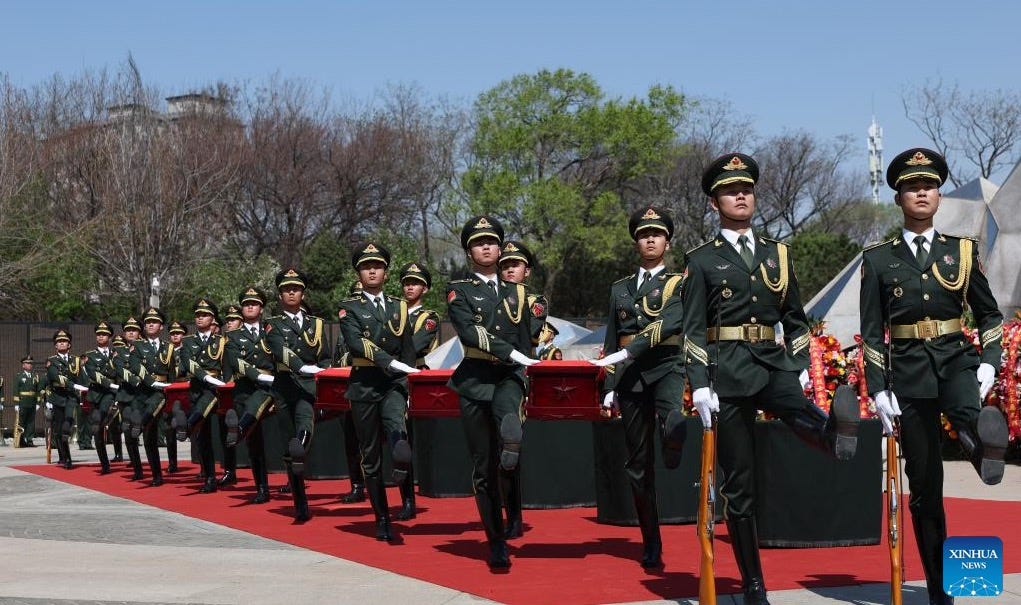
A third finding is that these only children appear to have greater issues fitting into military environments. A paper published in 2011 called Little Emperors found that “those who grew up as only children as a consequence of the policy are found to be less trusting, less trustworthy, less likely to take risks, and less competitive than if they had had siblings. They are also less optimistic, less conscientious.”
Fourth, the PLA has acknowledged the challenge. The 2021 report on this topic by Loro Horta, and a 2024 analysis by 9DashLine describe institutional responses by the PLA. These include relaxed fitness and eyesight standards for enlistment, expanded female recruitment, and broader access to psychological support. The PLA has also loosened restrictions on smartphone use during exercises—an acknowledgement, noted with some irony in internal Chinese commentary, that soldiers otherwise risk compromising their concealment by using personal devices. These adaptations reflect an institution adjusting to the human material available to it rather than setting the terms of its own recruitment.
A fifth theme, and perhaps the most strategically significant one, to emerge from the literature is the one identified most starkly by Eberstadt and Abramsky in their 2023 study, China’s Revolution in Family Structure. As they note, if a large proportion of China’s military-age male pool consists of only children, every significant military engagement carrying substantial casualties will, for a growing proportion of those casualties, mean the extinction of a family line. This is a sociological and psychological issue with no precedent in modern warfare.
Military Implications: An Unprecedented Challenge
While military history records armies drawing on young and inexperienced recruits, there is almost no historical precedent for a force comprised almost entirely of only children. That now appears to be the situation with the PLA. The most recent estimates from Chinese sources assert that at least 70 percent of PLA soldiers were from one-child families, and the figure rises to 80 per cent among combat troops. This figure was provided by Professor Liu Mingfu of the PLA National Defence University over a decade ago. The percentage, grew from 20 percent in 1996 and continued to grow through the 1990s and 2000s and may well have stabilised now. But even if this percentage has fallen slightly in the past decade, it remains a factor that any serious analysis of Chinese fighting power and military effectiveness must account for.
