
Rising Lion Continues
A special assessment containing insights as well as questions about the ongoing Israel-Iran war.

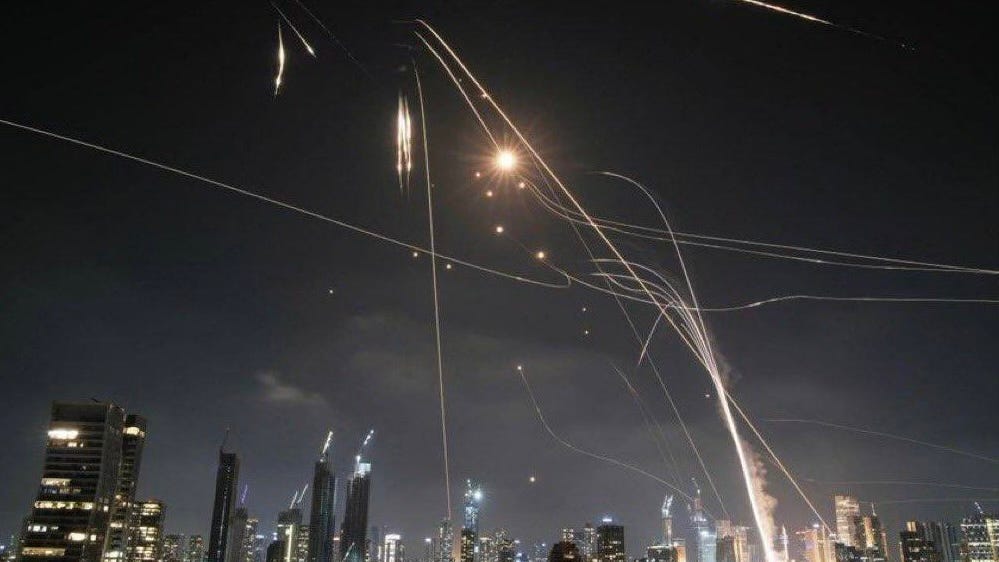
Certain Iranian hardliner's spoke bravely, but they didn't know what was about to happen. They are all DEAD now, and it will only get worse! President Trump, 13 June 2025.
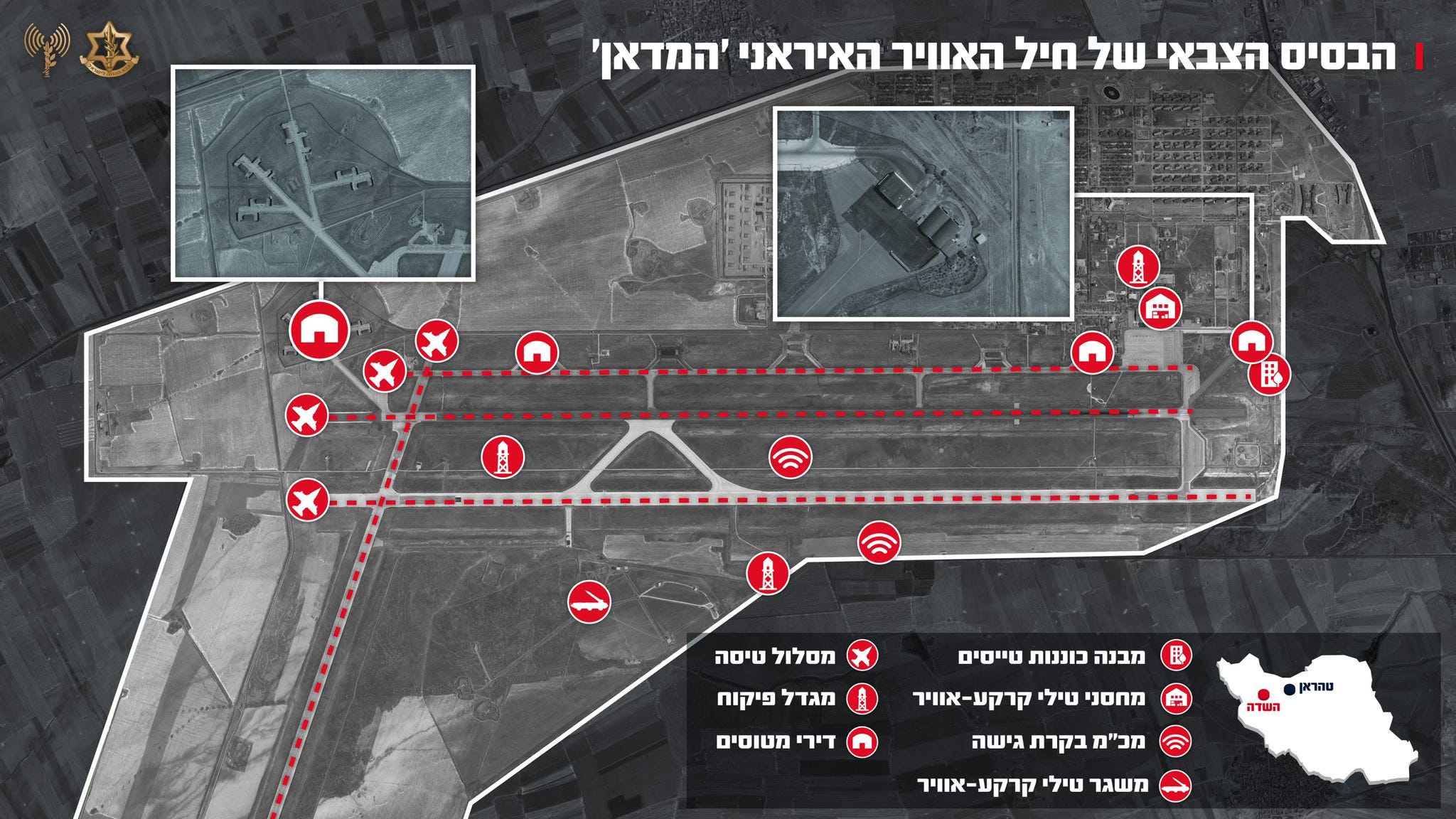
The latest phase of the Israel-Iran War is now over 24 hours old. It appears that the Israeli campaign against Iran is only getting started.
In this assessment, I explore what can be gleaned from the past 24 hours of operations, address some of the questions I posed in my previous article on this war, and pose some new questions as well. I will cover ten key topics related to the war (so far):
Israel’s decapitation operations.
The U.S. reaction.
The battle of narratives.
Has Iran learned from Russia?
Have Israel and Ukraine Been Collaborating on Creative Drone Operations?
Lessons for crewed-uncrewed teaming.
Reinforcing the need for national air, drone and missile defence.
How long can Israel sustain operations?
Impact on Ukraine?
Who else might exploit this opportunity?
Israel’s decapitation operations. Israel targeted multiple military and scientific leaders in the first wave of attacks. The New York Times has posted a useful article on who was targeted and where these individuals sat in the Iranian hierarchy. You can read that piece here.
There are short-term and long-term reasons why Israel undertook these decapitation operations. First, the immediate desired impact was to degrade strategic decision-making, particularly about defensive operations against Israel’s attacks and cause confusion in the Iranian chain of command. It clearly did so.
But there are longer term reason why Israel did this. As the Israeli PM has stated on television, speaking to the Iranian people, these attacks were about decapitating the Iranian leaders responsible for development of nuclear weapons and long-range ballistic missiles. And, he went even further, when he described how:
We are also clearing the path for you. To achieve your objective. Which is freedom.
Therefore, regime change is definitely one of the objectives of Israel’s campaign against Iran. Given Iran’s relationship with Russia, and China’s interest in preserving the CCP, Russia and China may provide support to sustain the regime. Neither Putin or Xi want to see an example of an authoritarian regime being toppled presented to their citizens.
But a key takeaway for the rest of us is that these kinds of decapitation operations can occur in any future conflict. Indeed, democratic nations are far more vulnerable to such activities, which is why ‘continuity of government’ and operational security measures remain vital in peacetime to ensure that governments and senior military leadership can actually survive the transition from peace to war in a future conflict.
The U.S. reaction. The social media post by President Trump after the beginning of Israel’s attacks against Iran says everything about the U.S. posture towards Israel’s attacks. You can read part of his social media post below.
I gave Iran chance after chance to make a deal. I told them, in the strongest of words, to "just do it," but no matter how hard they tried, no matter how close they got, they just couldn't get it done. I told them it would be much worse than anything they know, anticipated, or were told, that the United States makes the best and most lethal military equipment anywhere in the World, BY FAR, and that Israel has a lot of it, with much more to come - And they know how to use it.
Clearly, Israel has the support of America in the conduct of these attacks. This will be important if it requires assistance from U.S. forces to defend against future Iranian attacks (as America did during the two previous Iranian attacks on Israel). But U.S. support will also be vital to top up Israeli munitions supplies if they run short before they achieve their strategic and operational objectives.
The Battle of Narratives. In war, one must win the war, and win the story of the war. The Israeli PM laid out the Israeli story of why it has attacked Iran. But interestingly, he also noted that:
The nation of Iran and the nation of Israel have been true friends since the days of Cyrus the Great, and the time has come for you to unit around your flag and your historic legacy by standing up for your freedom from an evil and repressive regime.
So the narrative from Israel is clear. This is a war to prevent a grave nuclear threat to Israel and to allow the Iranian people to seize the opportunity to free themselves from the regime that has suppressed them for over 40 years. Finally, it is also a war to prevent a wide threat posed by Iran. As IDF social media has posted in the past few hours:
Iran is a global threat. Israel is not the end goal, it’s only the beginning. We had no other choice but to act.
The Iranian narrative has not really evolved much in the past few years. As one statement from the Iranian government notes:
This serious mistake will make the Zionist entity miserable and turn its life into misery.
It will be interesting to see if and how the Iranian narrative evolves in the coming days and the impact it has on the Middle East, nations around the world with Muslim majority populations and on western university campuses.
What Has Iran Learned from Russia to Respond to Israel? I have written elsewhere on multiple occasions about how Russia, Iran, North Korea and China now comprise an authoritarian learning and adaptation bloc. The Iranian attacks against Israel in October 2024 indicated that the Iranians had learned from the Russians in the planning and execution of such raids.
