

For enemy losses to double the pace of mobilization and contracting, every strike crew of the Defense Forces of Ukraine must ensure at least 10 confirmed strikes on enemy manpower per month…Every controller, every crew, every drone. Pure mathematics goes into battle." USF Commander Robert "Magyar" Brovdi.
This edition of The Big Five covers the week of 11 to 17 May 2026, a period bookended by two defining events: a devastating Russian mass drone and missile attack on Kyiv that killed at least seventeen people, and the first U.S. presidential state visit to Beijing in nine years.
In Ukraine, the trajectory of the war has shifted in ways that would have seemed implausible two years ago. Ukrainian deep-strike operations now routinely reach targets more than 2,000 kilometres inside Russia, Russia is losing ground, and Russian personnel losses have outpaced recruitment for five consecutive months. Yet peace negotiations remain fragile, with Moscow insisting on territorial concessions that Kyiv regards as existential.
In the Pacific, the Trump-Xi summit produced good atmospherics, carefully hedged commitments and few significant outcomes. The summit left allies in the Pacific region to assess whether the architecture of regional deterrence remains intact. This update provides an extended analysis on this topic, as well as the normal updates on security in the Pacific region.
Welcome to this week’s edition of The Big Five.
The War in Ukraine
The Frontline. The frontlines across eastern and southern Ukraine remained violent in the week of 11 to 17 May 2026, although there was limited exchange of territory. Ukrainian General Staff reporting, aggregated through EMPR.media and corroborated by the Institute for the Study of War, recorded 241 combat engagements across a single 24-hour period on 14 May alone, representing one of the highest daily totals since the full-scale invasion began in February 2022.
Russian forces continue to press hardest in the Donetsk direction, with sustained assault activity reported around Pokrovsk, Kostiantynivka, Toretske, and along the Novopavlivka axis. Despite months of Russian effort, Ukrainian defenders have held the principal defensive lines in this sector, inflicting disproportionate casualties on attacking infantry columns.
The latest Russia Matters update notes that in the past month, Russia has lost 45 square miles. For two months running, Russia has been losing ground.
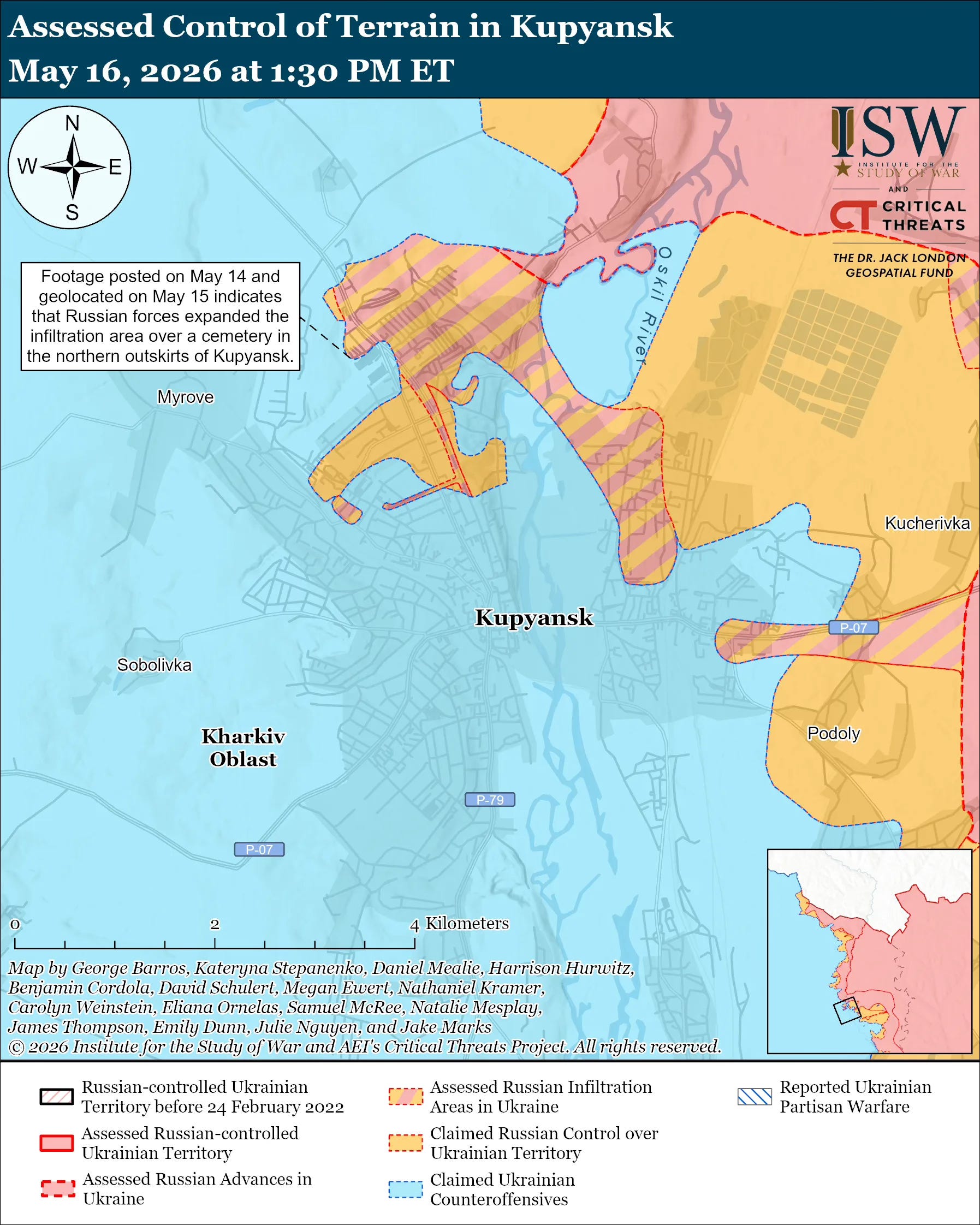
Despite this, senior Russian military commanders have put on their happy faces and briefed Putin that Russian ground forces are advancing beyond Kupyansk. The key problem with this narrative is that the Russians have not even captured Kupyansk, let alone commenced an advance west of the city. As today’s update from the Institute for the Study of War notes:
Russian Chief of the General Staff Army General Valery Gerasimov met with the Russian Western Grouping of Forces on May 16 and made a series of false claims about the situation in the Kupyansk, Borova, and Lyman directions.[1] Gerasimov claimed that Russian forces are advancing west of Kupyansk toward Shevchenkove… Gerasimov identified Russia’s next operational objective after the seizure of Kupyansk as Shevchenkove, but Russian forces are not close to seizing Kupyansk.
For the fifth consecutive month, Russian losses have outpaced the Kremlin’s ability to recruit replacements. Ukraine’s Defence Minister confirmed that over 35,000 Russian soldiers were killed or seriously wounded in April 2026 alone, continuing a pattern that defence analyst commentary tracked on specialist platforms including Ronin’s Grips and United24 Media.
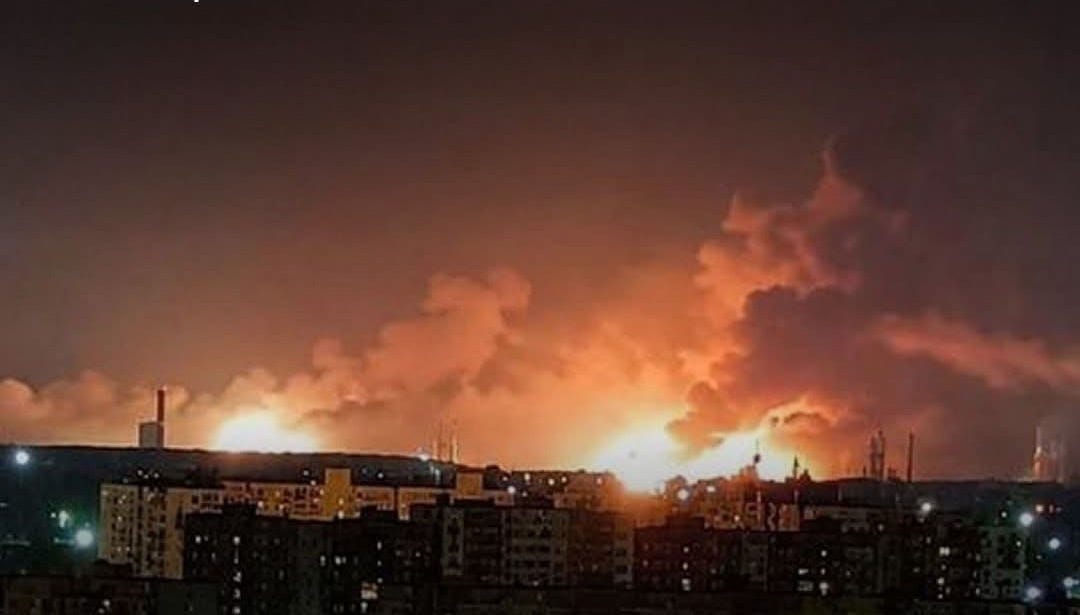
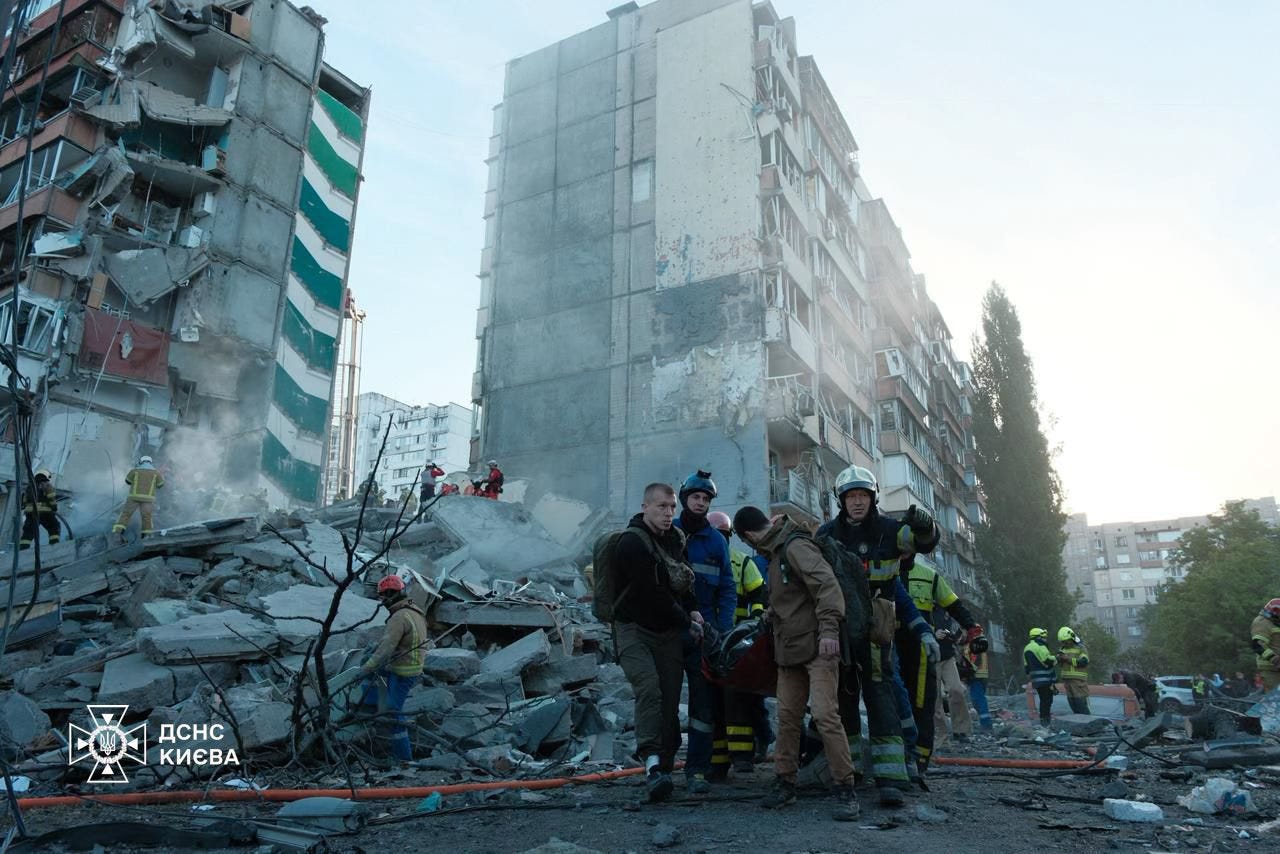
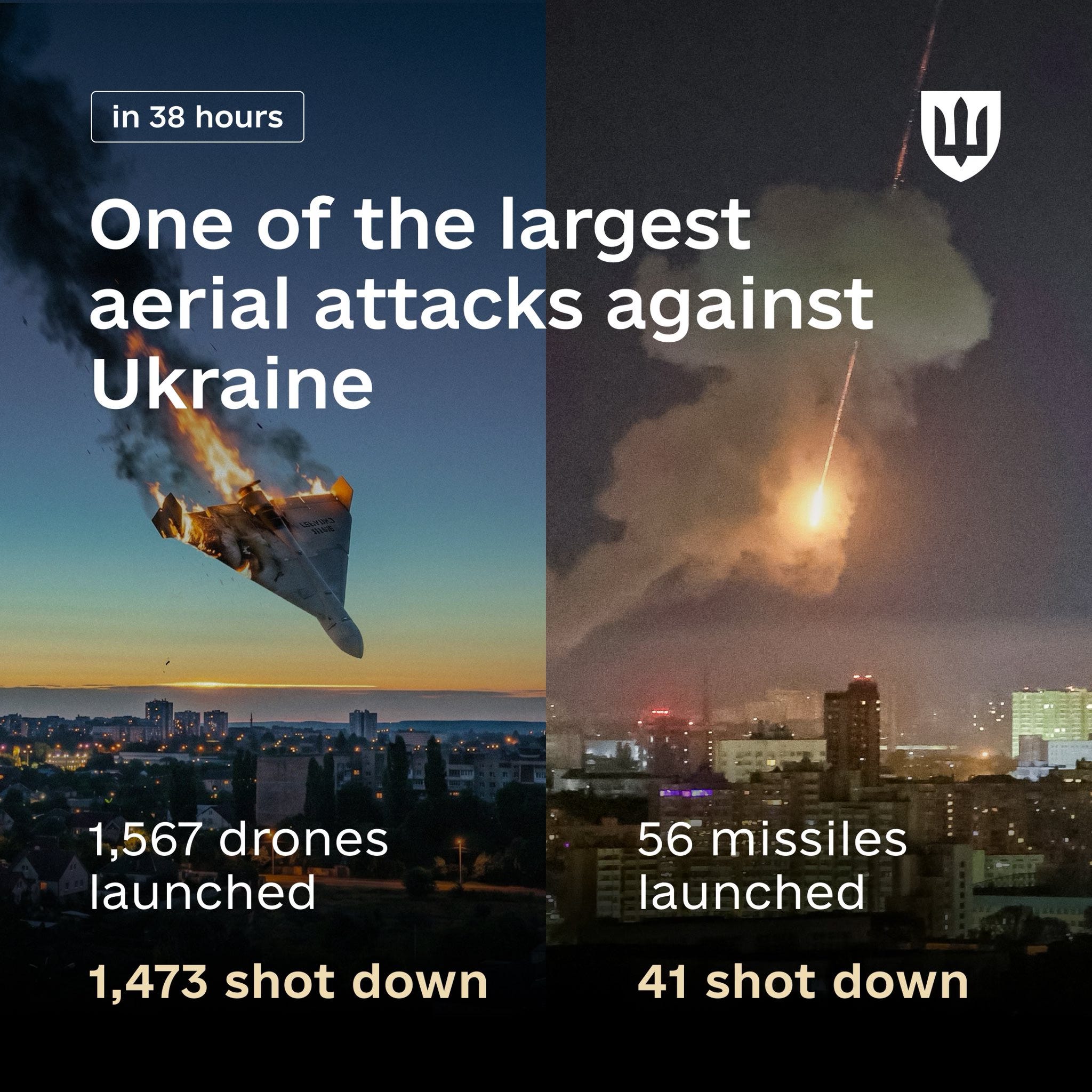
The Deep Strike Campaigns. This week, Russia conducted a massive aerial assault on Kyiv overnight on 13 to 14 May. The attack on Kyiv, reported in detail by CNN and the Kyiv Independent, involved more than 1,560 drones over a two-day period, striking residential buildings in the capital, killing at least seventeen people and injuring dozens more. The Kyiv mayor described it as the largest-ever attack on the capital. A nine-storey apartment building was struck, with rescuers working through rubble to locate survivors. Energy infrastructure, including a power substation and a high-voltage line, was also damaged.
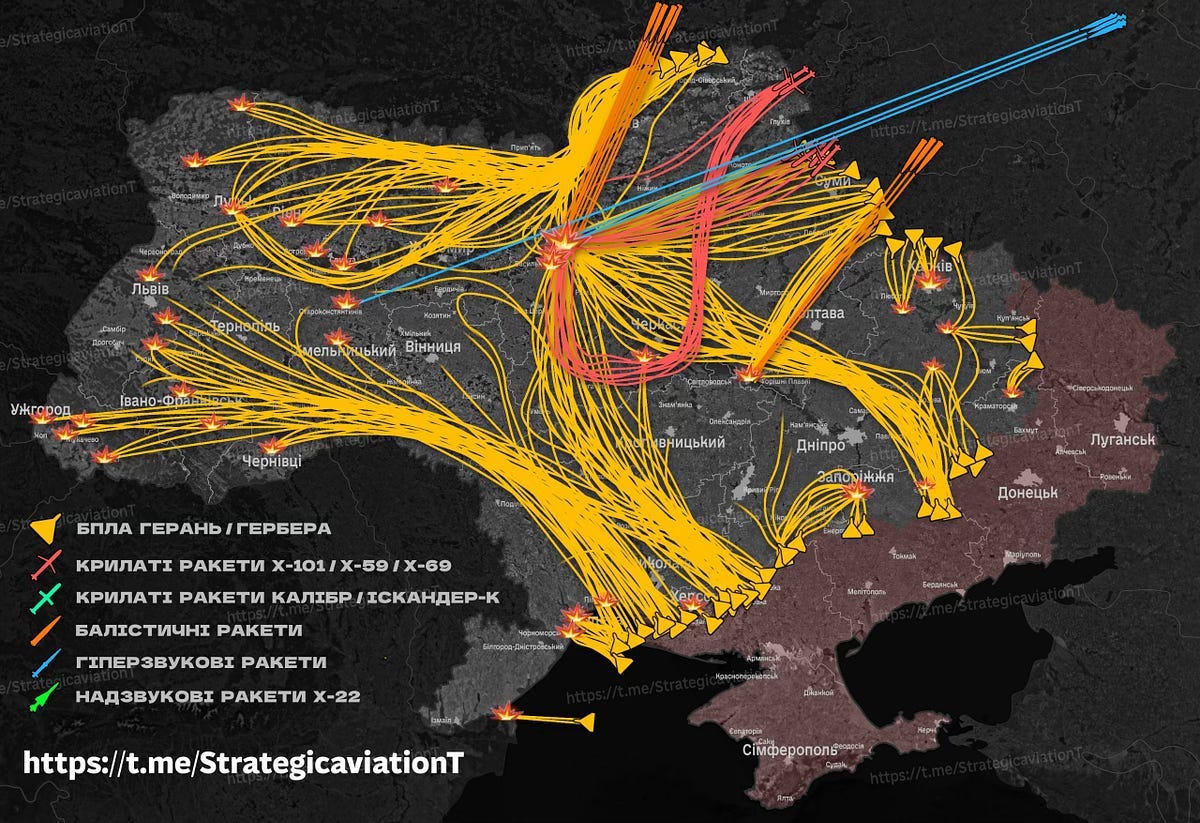
The Ukrainian Air Force produced the following interception figures: they shot down 41 missiles and 652 UAVs, broken down to:
0 out of 3 Kh-47 Kinzhal aero ballistic missiles (launched from Lipetsk region),
12 out of 18 Iskander-M/S-400 ballistic missiles (from Bryansk and Kursk region),
29 out of 35 Kh-101 cruise missiles (Volgograd region) and
652 out of 675 strike UAVs (Bryansk, Kursk, Orel, Rostov, Crimea).
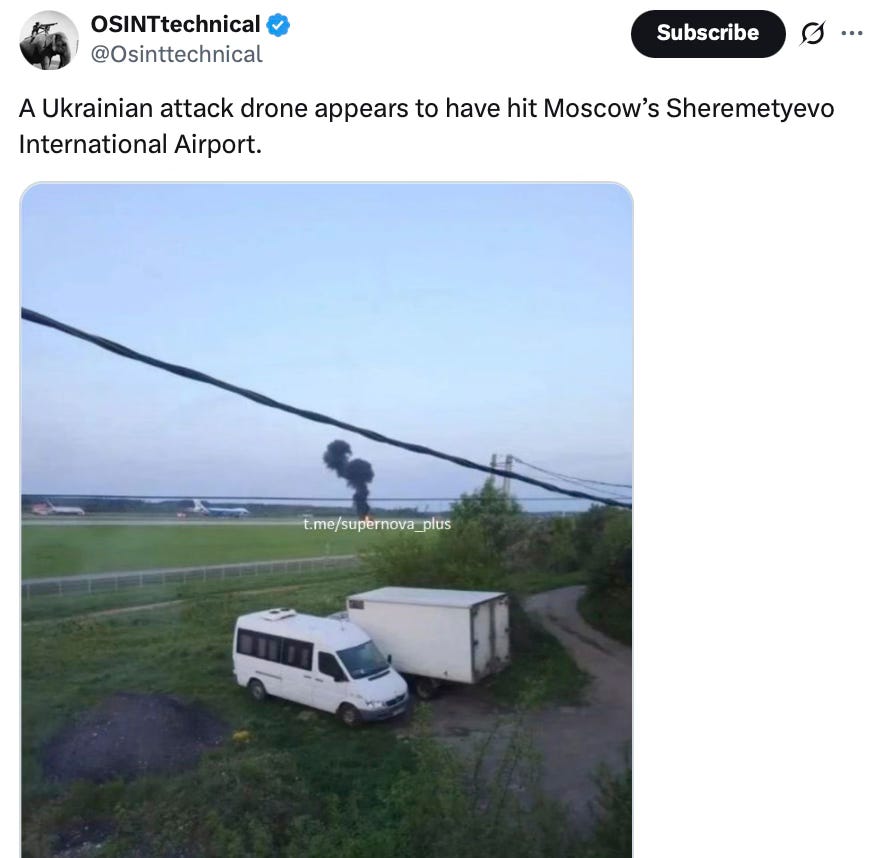
As I sit down to write this update on a Sunday morning, eastern Australian time, a Ukrainian drone attack is underway against the Russian capital. At least 50 drones have been sighted so far, although as the hours pass, we will learn more about the scale of the attack. A recent update, which appears to show a Ukrainian drone having struck a target in the vicinity of Moscow’s Sheremetyevo international airport is below.
During the week, the Ukrainian president issued a social media post about Ukraine’s thinking and intentions with its long-range strike campaign. Zelenskyy wrote that:
First, we are defining targets for our next long-range sanctions against Russia over this war and the strikes against our cities and villages. Ukraine will not allow any of the aggressor’s strikes that take the lives of our people to go unpunished. We are entirely justified in our responses against Russia’s oil industry, military production, and those directly responsible for committing war crimes against Ukraine and Ukrainians.
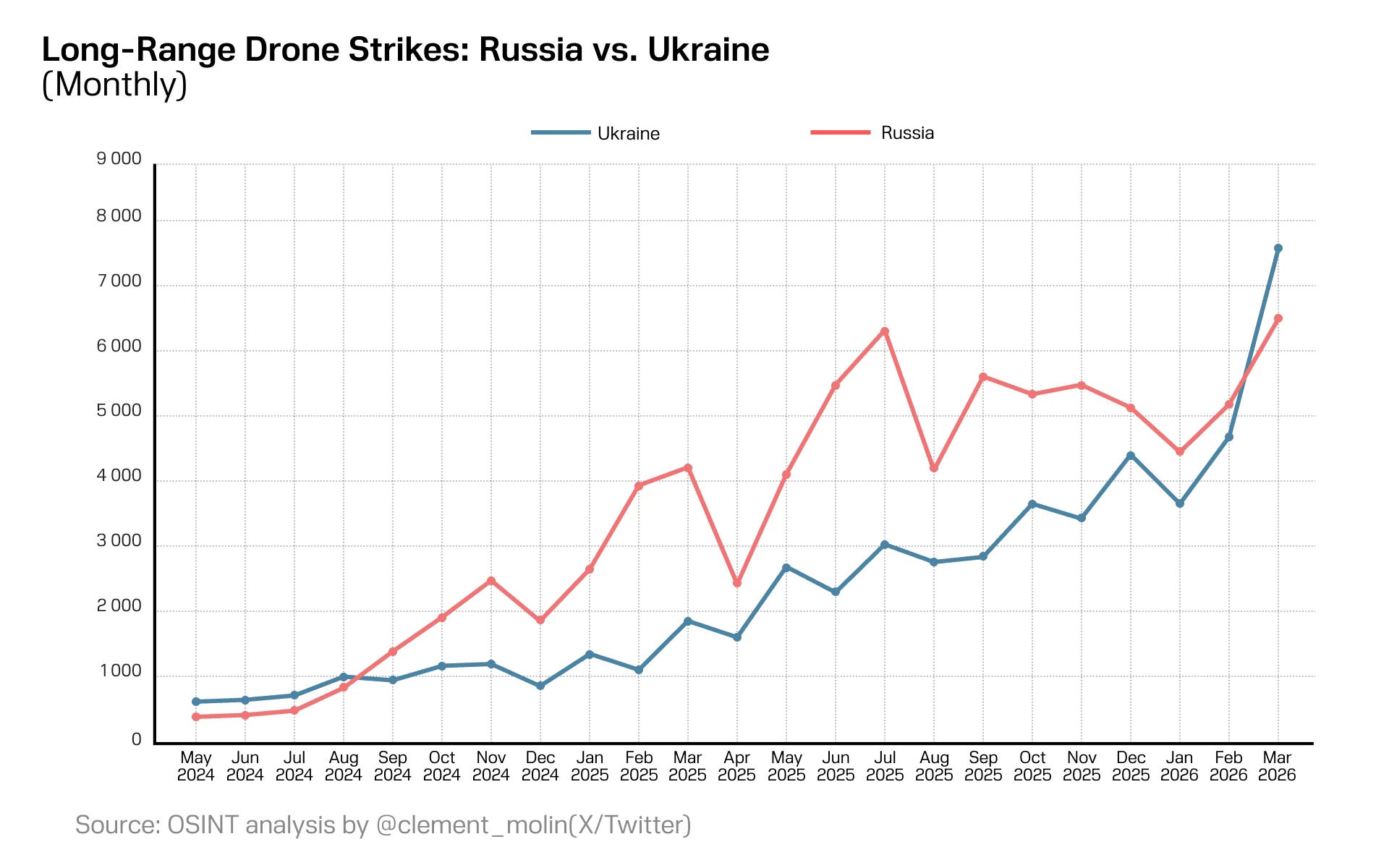
Ukraine’s strategic strike campaign against Russian territory has now surpassed Russia’s own long-range strike effort. As documented by United24 Media and analysed by the Atlantic Council, Ukraine launched some 7,000 long-range drones against Russian military targets in March 2026 alone, overtaking Russia in total long-range strike volume for the first time.
The Russian air alert system issued warnings 2,000 kilometres from Ukraine on 5 May, illustrating the geographic reach of Ukrainian drone operations. The Ukrainian campaign has targeted oil refineries, naval vessels, military airfields and logistics nodes. Russian aviation, once operating from bases close to Ukraine, has been forced to relocate thousands of kilometres east. Ukrainian drones have recently struck Shagol airfield in the Chelyabinsk region, 1,700 kilometres from the front line.
Ukrainian strikes on Russian port terminals and oil infrastructure during spring 2026 have disrupted Russian energy exports and damaged refinery capacity, according to reporting tracked through Stefan Korshak’s Substack and open-source analysts monitoring satellite imagery of refinery fires. This week, targets hit include:
Taman Naftogaz terminal, near the Kerch Strait.
The Astrakhan Gas Processing Plant.
The Nurino Transneft oil terminal in the Volga region.
An oil refinery in Yaroslavl.
A large air defence radar in Donetsk.
The Ryazan oil refinery.
A Russian navy minesweeper and a missile boat in the Caspian Sea.
Russian military aircraft.
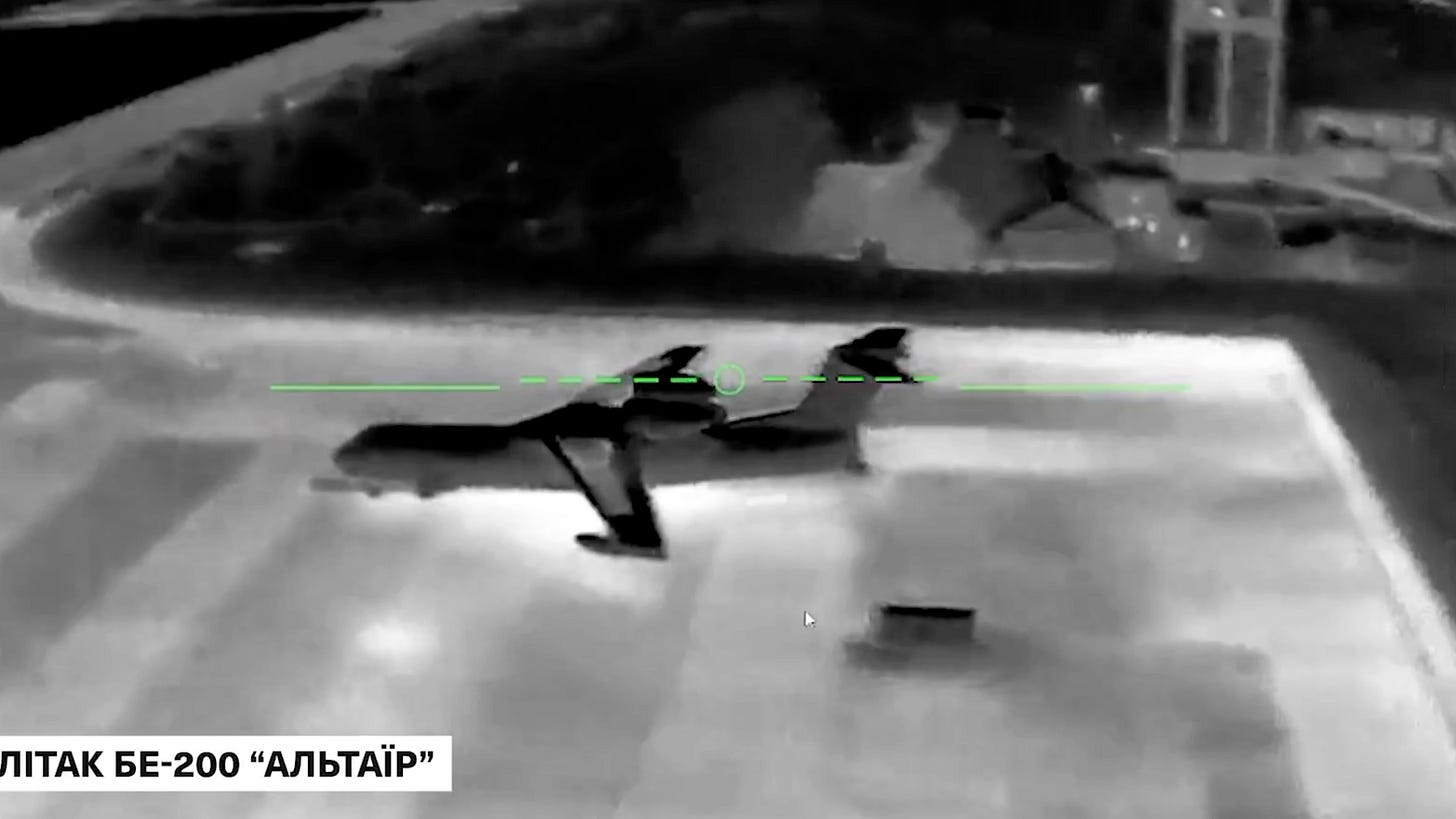
Ukrainian drone targeting a Russian Be-200 amphibious aircraft during the week. Source: @ZelenskyyUa
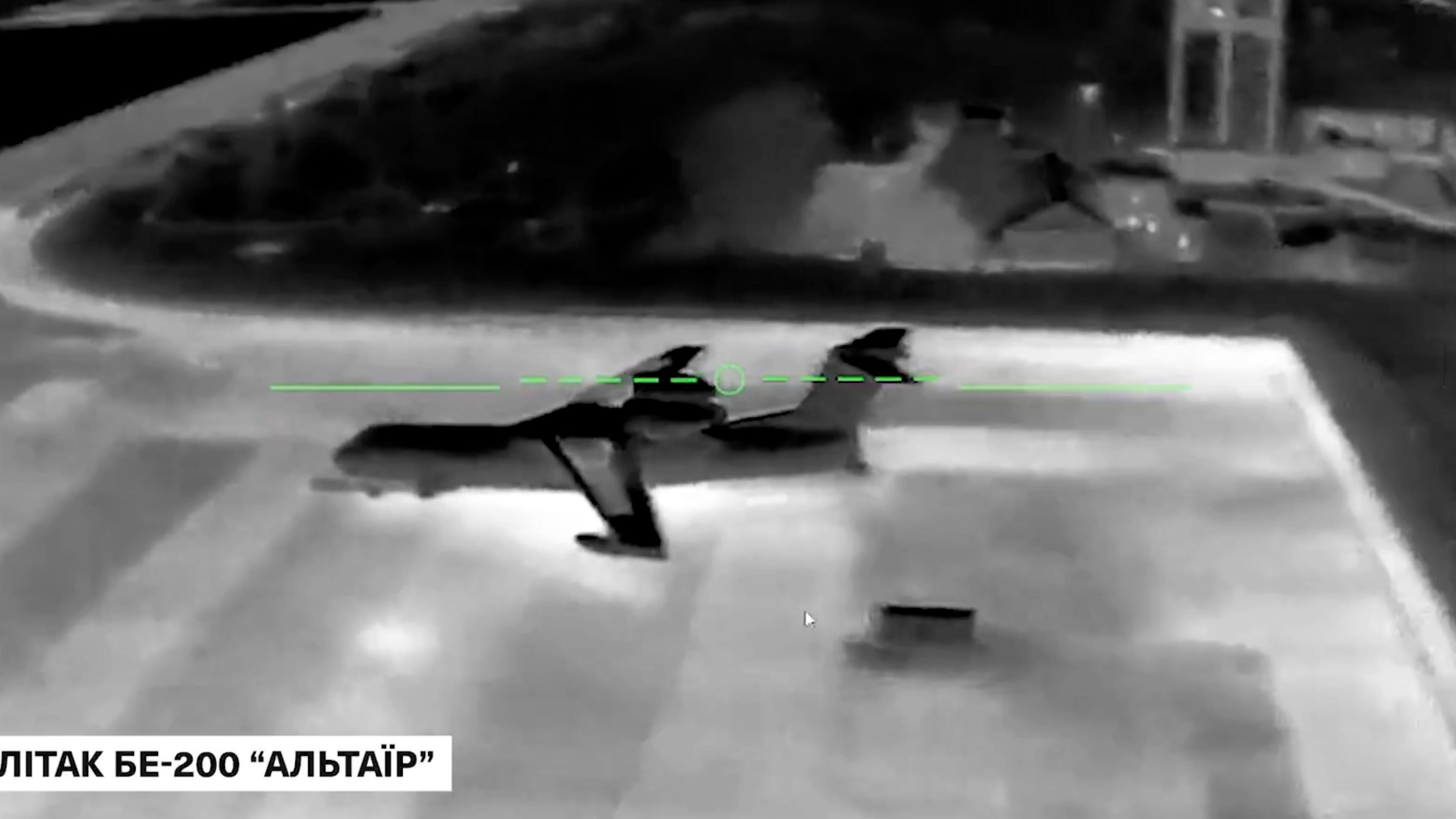
The deeper strategic aim is clear: to make Russia’s vast geographic depth a liability rather than a shield. NATO-era doctrine always treated Russian depth as a formidable defensive advantage, but Ukrainian drone operators are systematically proving otherwise.
Interestingly, it is the ‘middle strike’ activities (strikes in the range of 20-300km from the frontline) of the Unmanned Systems Force which might generate another strategic impact: cutting off Russian land access to Crimea. As Stefan Korshak details in his latest update, Ukrainian forces have now established drone primacy over some of the southern Russian lines of communication, including the route from Mariupol to Crimea.
Korshak describes how a key contributor to this campaign has been “new strike drones that are very effective in the 50–150 km range envelope (Bulava, RAM-2X, and Blyskavka), a reconnaissance drone that operates persistently in that envelope (Shark), [and] bigger numbers of all those weapons.” While this might be a useful negotiating point for peace talks, it also useful operational shaping should Ukrainian forces wish to conduct more offensive operations in the south as well as isolate Russian forces in Crimea.
Stalled Ceasefire Diplomacy. The diplomatic landscape remains inconclusive. A U.S.-backed ceasefire during Russia’s 9 May Victory Day was observed in a limited fashion, accompanied by prisoner exchange discussions. Putin subsequently signalled in remarks to journalists, reported by Al Jazeera, that the war might be “coming to an end” and that he was prepared to meet Zelenskyy in Moscow or a neutral country.
President Zelenskyy, responding through the Kyiv Independent, called for a long-term ceasefire with reliable and guaranteed security arrangements, and directed Ukrainian negotiators to clarify Moscow’s actual terms with the US side.
Broader peace negotiations remain stalled, with the last trilateral talks involving Ukraine, Russia and the United States having taken place in February 2026. A follow-up round was postponed following U.S. and Israeli military strikes on Iran. Analysis by the Carnegie Endowment for International Peace provides a detailed account of the negotiations, noting that the military track has made the most progress, with technical discussions about ceasefire implementation, troop withdrawal lines, monitoring arrangements and violation attribution mechanisms all advancing, if slowly.
Territorial negotiations, by contrast, remain “difficult and tense.” Russia refuses a cessation of hostilities without Ukraine surrendering the remaining parts of Donetsk Oblast under Kyiv’s control. Ukraine refuses any ceasefire without clearly defined security guarantees.
Ukraine Assessment
Ukraine enters the second half of May 2026 in a position of enhanced military resilience. Its deep-strike campaign has transformed the strategic geometry of the war, denying Russia any sanctuary in its ‘homeland’. Russian personnel attrition has reached a pace that is now structurally unsustainable without far more coercive domestic mobilisation measures than the Kremlin has so far been willing to impose.
These are significant achievements. Yet they have not translated into territorial recovery (yet), and the diplomatic stalemate leaves Ukrainian civilians exposed to ongoing, nightly mass Russian aerial bombardment, death and destruction, of a kind that European cities have not experienced since the Second World War.
The principal strategic risk for Ukraine in the coming months is that negotiating pressure builds from an impatient Trump administration at the same time that Russian attrition, though severe, has not yet produced a collapse in Moscow’s willingness to fight. Putin has demonstrated a capacity to absorb losses that has repeatedly confounded Western analyses.
For Ukraine, the path forward requires sustaining both military pressure and political cohesion while navigating allies whose priorities do not always align with Ukraine’s own existential interests.
The Pacific
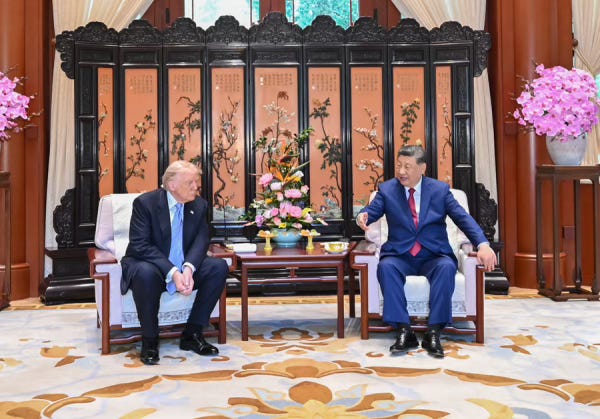
The Beijing Summit. The most important event in the Pacific this week was the first U.S. presidential state visit to Beijing in nine years. President Trump’s two-day summit with Chinese President Xi Jinping on 14 and 15 May dominated global attention, and its implications for regional security will take weeks to fully assess. As documented by CNN Politics, CNBC and the Council on Foreign Relations, the summit was heavier on symbolism than on outcomes or commitments.
Xi described a new vision of building a “constructive China-US relationship of strategic stability,” language that CFR analysts interpreted as an attempt by Beijing to lock in a favourable détente for the remainder of the Trump term and establish a baseline against which future competitive steps could be framed as violations. Trump described the summit as resolving “a lot of different problems,” though no substantive announcements were made public on the second day of talks.
Taiwan was a key element of the summit’s strategic content. Xi described it as “the most important issue in US-China relations,” warning that:
If it is handled properly, the bilateral relationship will enjoy overall stability. Otherwise, the two countries will have clashes and even conflicts, putting the entire relationship in great jeopardy.
Trump’s public comments afterwards were hedged. He told Fox News he would like to see the situation “stay the way it is,” speculated that China would not act against Taiwan during his presidency, but suggested it “might” after he left office. Critically, Trump declined to commit to continuing arms sales to Taiwan, saying only that he would “have that discussion” with Xi.
Taiwanese Foreign Minister Joseph Wu emphasised that the island was “maintaining good communication” with Washington, and Secretary of State Rubio confirmed that long-standing US policy on Taiwan “has not changed,” though the absence of a more explicit reaffirmation from Trump himself was noted by analysts across CSIS and the German Marshall Fund. Bonnie Glaser of the German Marshall Fund warned that any rhetorical softening from Trump on Taiwan, even if ambiguous, would be “the most destabilising outcome” of the summit, potentially emboldening Beijing to take more assertive steps to erode Taiwanese autonomy.
The Taiwanese government, in the wake of the summit, vowed to maintain the current ‘status quo’,’ noting that “it is an undeniable fact that the Republic of China is a sovereign and independent democratic nation.”
On Ukraine, the Chinese readout noted that Beijing “hopes the conflict will end as soon as possible.” Georgetown professor Dennis Wilder told CNBC it was possible the summit might lead to a reduction in Chinese support for Russia’s war effort, though the historical pattern of Chinese firms transferring dual-use materials to Russia despite Xi’s explicit commitments to Western leaders means this is unlikely.
The summit also addressed Iran, trade, agricultural market access and technology, with both sides agreeing to establish a trade council and an investment council and to maintain diplomatic and military communication channels. Xi is expected to visit the United States in the autumn.
Overall, the summit appeared to focus on relationship stabilisation above other outcomes. As a Foreign Affairs summarynotes:
After a year of escalation and retaliation, including across-the-board U.S. tariffs and Chinese export controls on rare-earth minerals, both sides left the meeting touting success in stabilizing the relationship. But with the major underlying disputes between Beijing and Washington still unresolved, the future of the competition between the world’s two most powerful countries remains in flux.
Perhaps one of the better summaries of the summit was provided by the Japan Times, which noted that:
When the U.S. and Chinese leaders sat down for their high-stakes summit in Beijing this week, the atmosphere was a far cry from the frantic damage control that had defined previous encounters. Gone was the defensive crouch of a China reeling from trade volleys. In its place was a meticulously choreographed performance, where Chinese leader Xi Jinping sought to frame bilateral ties not as a struggle for dominance, but as a period of “moderate competition” with “manageable differences.” By the time U.S. President Donald Trump’s three-day visit ended on Friday, it became clear that the world’s most consequential relationship had moved into a calculated strategic stalemate, one where China now operates from a position of assumed parity.
Whether China has actually reached a position of strategic parity with America remains to be seen. But it is acting like it has, which could lead Xi and Trump alike into strategic miscalculations in the years ahead.
That said, the Beijing summit produced neither the breakthrough nor the breakdown that some analysts feared or hoped for. The constructive atmospherics are useful, and the establishment of trade and investment councils, combined with Xi’s commitment to a U.S. visit later in 2026, suggest both sides see value in managing the competition within guardrails for now. But the conditions generating competition, PLA military modernisation, Taiwan’s unresolved status, allied defence build-ups and technology decoupling, have not changed.
The most significant risk from the summit lies in ambiguity. Trump’s comments on Taiwan’s future, while not constituting a formal policy shift, were imprecise enough to generate concern among allies and security partners in the western Pacific about whether the US strategic commitment to deterrence in the Taiwan Strait remains as firm as it was a year ago. Allied governments will be watching closely whether the current U.S.-China détente produces changes in Chinese behaviour, particularly regarding support for Russia and military operations around Taiwan and in the South China Sea.
Taiwan: Deterrence Under Pressure. Taiwan’s security situation has grown more complex over the past week following the Beijing summit’s ambiguous signals on U.S. arms sales. The Trump administration’s USD 2 billion Taiwan defence package for fiscal 2026, as documented by Army Recognition, including USD 1 billion under the Taiwan Security Cooperation Initiative and USD 1 billion for replenishment of US inventories, represents a significant commitment. It includes co-production of unmanned systems, counter-drone technologies and joint operational planning, bypassing the slower Foreign Military Sales process. However, Trump’s failure to publicly reaffirm arms sales commitments during or after the Beijing summit was noted by Taiwan’s foreign minister as requiring careful monitoring.
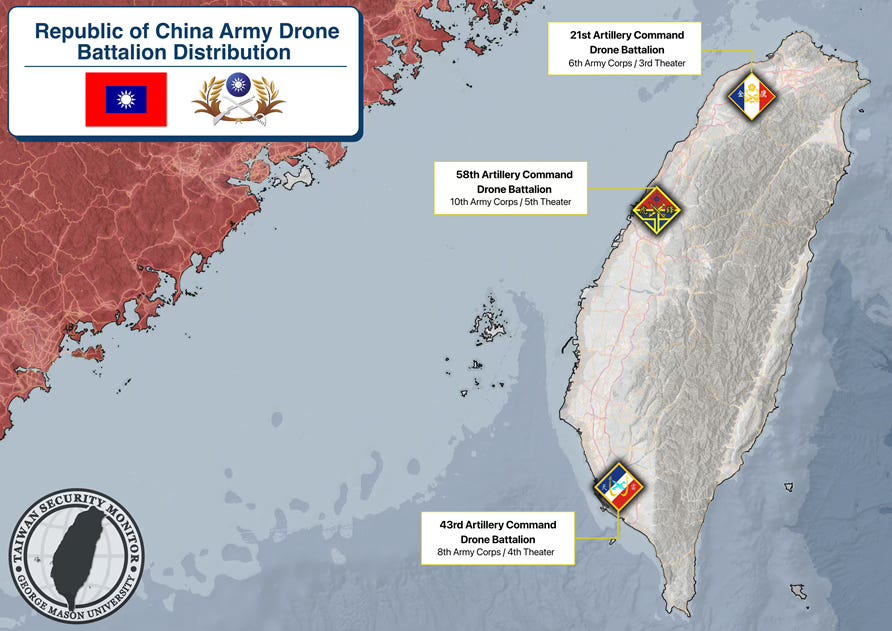
Taiwan Military Structure Reforms. The Taiwan Security Monitor has commenced a new regular report which is focused on organisational change and reform in the Taiwanese military. In the latest update, reforms related to drones are covered. The Taiwanese are establishing multiple new drone units. Three independent drone battalions, subordinated to the 21st, 58th, and 43rd Artillery Commands, respectively, will be established by July 2026. Additionally, in April of this year, the Army inaugurated the Unmanned Systems Training Command to integrate unmanned systems training and research between the different military services. Reserve units have also begun incorporating drone operations into mobilisation training
Reforming PLA Military Theory Development. One of the most important strategic functions of any military institution is to think through the implications of new technologies and changes in the strategic environment to develop new theories of warfighting and military operations. Every modern military organization has elements that scan the horizon for threats and then include this into work to produce new strategic policy and military doctrine. China is no different.
This week, Taiwanese scholar K. Tristan Tang published an excellent article that examines how China is evolving its military theory development system. The article explores the changes and their implications for the People’s Liberation Army (PLA). As Tristan notes:
The regulations mainly divide military theory work into two major categories: vertical control and horizontal division of labour. These categories cover five major areas: the management system, content and publication procedures, the full-process management chain, military theory achievements, and support and guarantee foundations. The regulations focus on building a joint operational theory system capable of adapting to future warfare. They also emphasize changes in technology, warfare, and adversaries to understand the mechanisms of victory in informatized and intelligentized warfare.
Importantly, Tristan proposes that in the short term, the PLA appears to not be planning major operations. But in the longer term, however, “observers should pay close attention to changes in PLA operational concepts and doctrine, including ideas such as dissipative warfare.” The full article can be read here.
****************
It’s time to explore this week’s recommended readings.
In this week’s Big Five, I have included two articles on the issues related to military operations in defence of Taiwan against a Chinese attack. There are also articles on the Russian’s views about the employment of land forces in the 21st century, the American military preparedness for a wart against China and a useful report on military adaptation.
As always, if you only have the time available to read one of my recommendations, the first is my pick of the week.
Happy reading!
1. Island Chain Allies
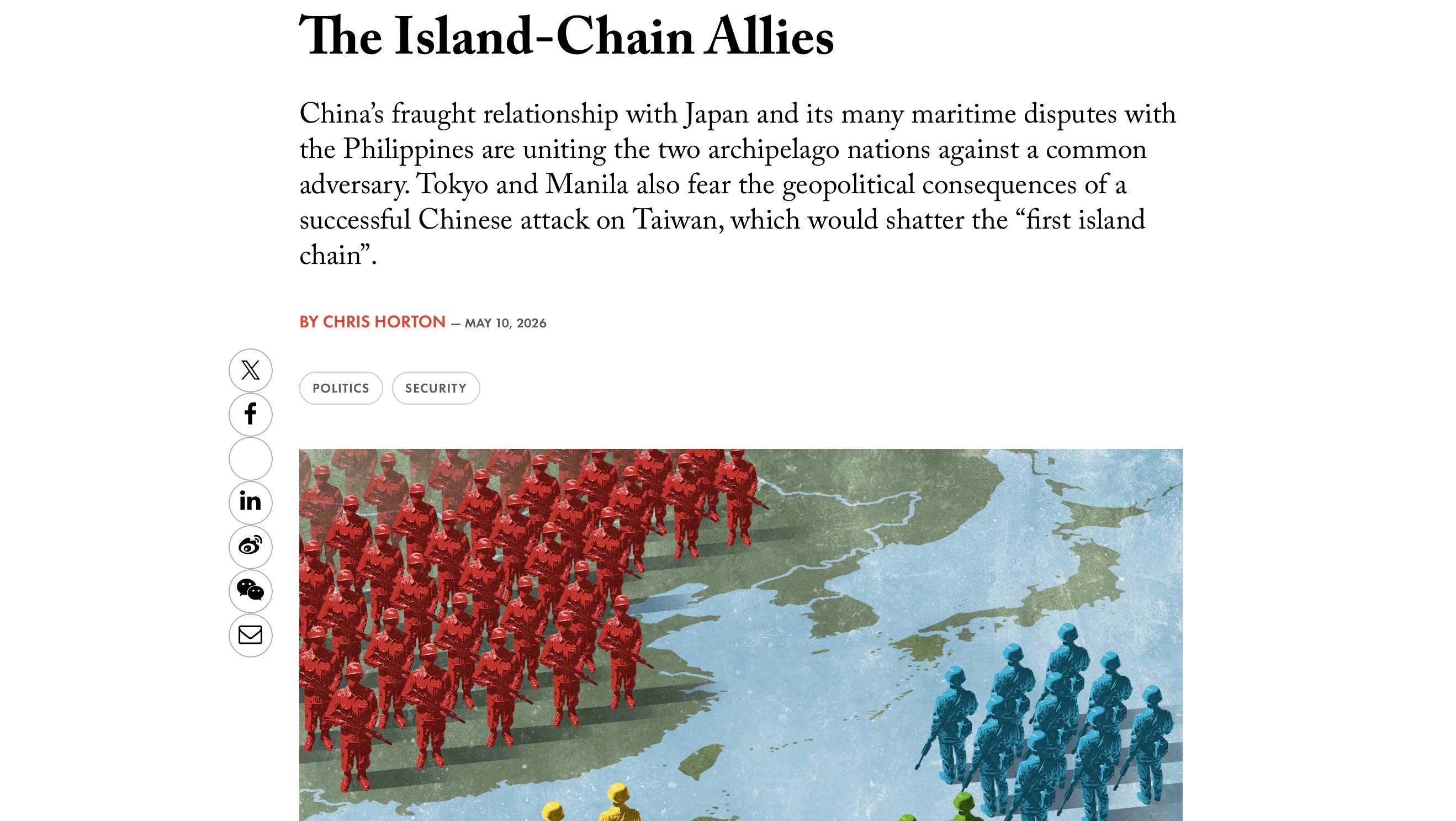
This article explores how Chinese aggression in the past few years has resulted in a closer relationship developing between Japan and The Philippines. As the author notes in the article, both “Tokyo and Manila also fear the geopolitical consequences of a successful Chinese attack on Taiwan, which would shatter the “first island chain”.” You can read about this evolving security relationship in the western Pacific here.
2. Would Hellscape Work?
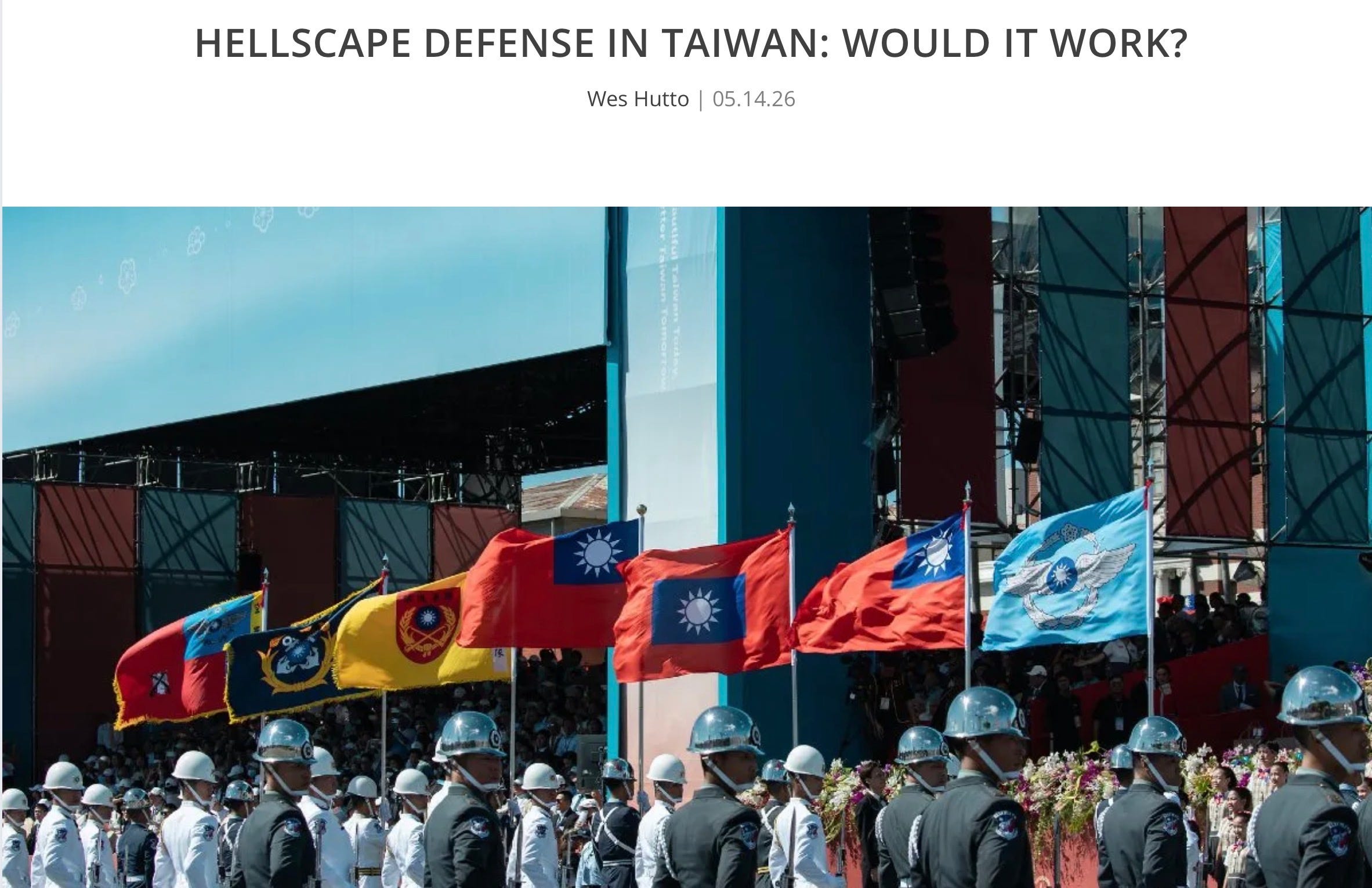
While the development of military theory and doctrine are vital undertakings for military institutions, it is also important to test and wargame various warfighting concepts to ensure the theory that underpins future military operations is sound. To this end, this article explores the Hellscape concept, which is designed to employ drones to conduct a round 1000 engagements per day against a PLA force that seeks to invade Taiwan. It is a very useful analysis, and can be read at this link.
3. Moscow’s views of the war of tomorrow
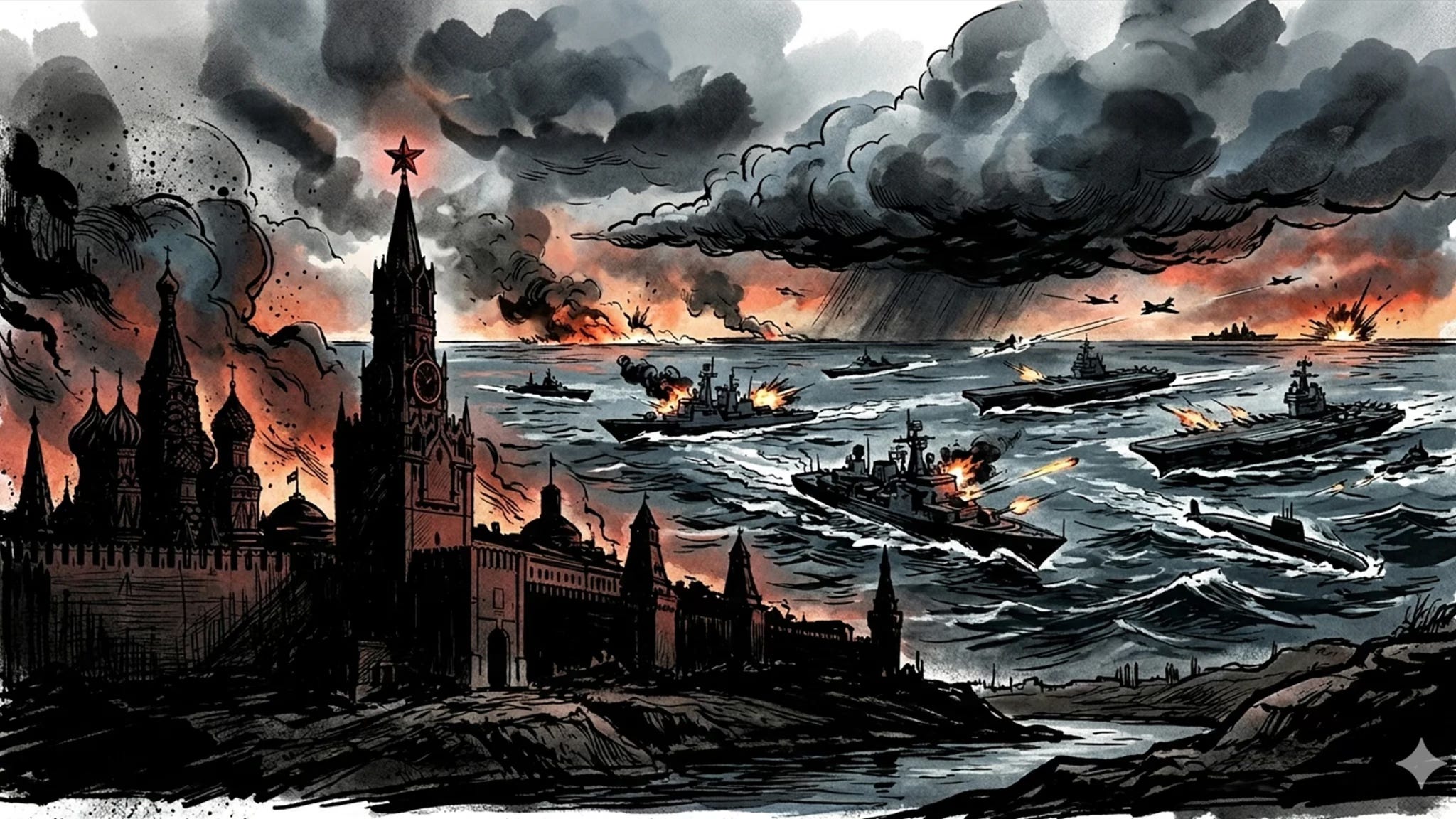
Military institutions are constantly scanning for future threats and honing their organisational ideas about how they will respond. In this new report from the NATO Defence College, the author explores how Russia is viewing the future of warfare. He proposes that “Russia’s vision of “tomorrow’s war” differs sharply from NATO’s. Moscow envisions not a localized conflict in north-eastern Europe but a large-scale global confrontation with geoeconomic roots with the United States as the primary driver of instability.” Read all about it at this link.
4. Adaptation in Contact
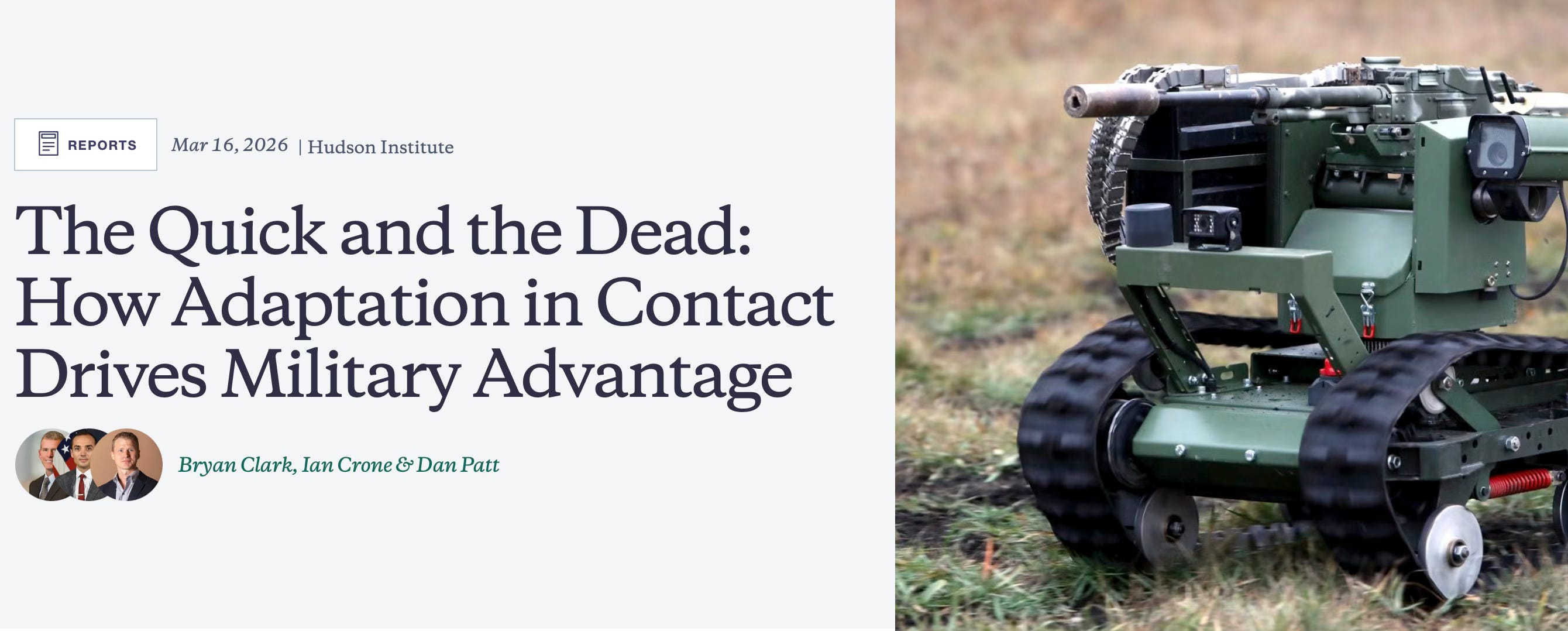
Regular readers of my articles will not be surprised that I have included a new report on military adaptation. It is the central capability for military institutions, particularly in an era where the time to imagine, develop and field weapons such as drones can now be measured in weeks and months rather than years and decades. This new report examines why effective adaptation structures and cultures are so important in military institutions. The full report is available at this link.
5. Is the United States Prepared for a War with China?
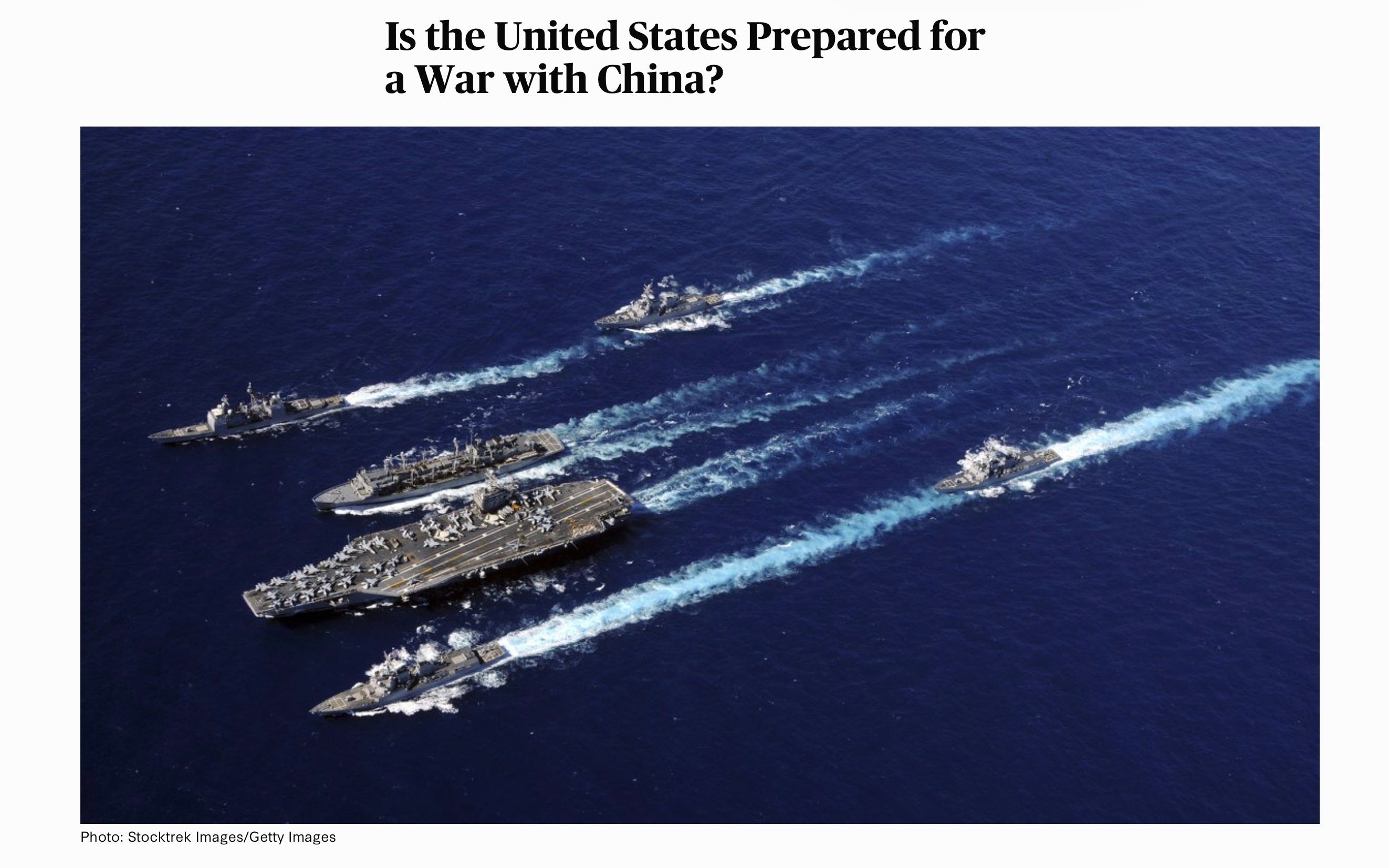
In this article from the Center for Strategic and International Studies, the author argues that the Iran war has once again highlighted deficiencies in the U.S. defence industrial base and in particular, its inventories and production capacity for advanced munitions. The article proposes several urgent actions that are required to remedy this situation. You can read the full piece at this link.
Thank you. Here in the US, many saw that Trump was overwhelmed by Xi. We fear that Trump will reduce support for Taiwan. Trump definitely looked like the little brother.