
The Culminating Point? The Big Five, 21 June 2026 edition
This week, Ukraine's big Moscow strikes, the G7 meeting, an ultimatum for Belarus, a stalled Russian ground campaign, the return of Pacific Command, as well as my Big 5 recommended reads.


On 14 June, President Donald Trump announced that the United States and Iran had reached a preliminary agreement to halt the fighting that has consumed the Gulf since the American and Israeli assault on Iran in late February. The deal, confirmed by Tehran and detailed to reporters mid-week, extends a fragile ceasefire for sixty days, lifts the United States naval blockade and reopens the Strait of Hormuz, while leaving the fate of Iran’s nuclear programme to a difficult second phase of talks. As the Council on Foreign Relations observed, much remains to be done, and the agreement reopens a waterway rather than settling a war.
The Iran agreement matters for two reasons that impact both Ukraine and strategic competition in the Pacific. For Ukraine, it confirms that Washington’s attention and its scarce air defence munitions are once again contestable, and it sharpens the European anxiety on display at the G7 in Evian that the war in Ukraine has slipped down the American agenda even as Kyiv mounts its most ambitious strikes of the year.
For the Pacific, the deal exposes how a Middle Eastern energy shock pulls American assets westward and tempts Beijing to present itself as a peacemaker while quietly arming the nation that America and Israel have been fighting.
Welcome to this week’s edition of The Big Five.
Ukraine
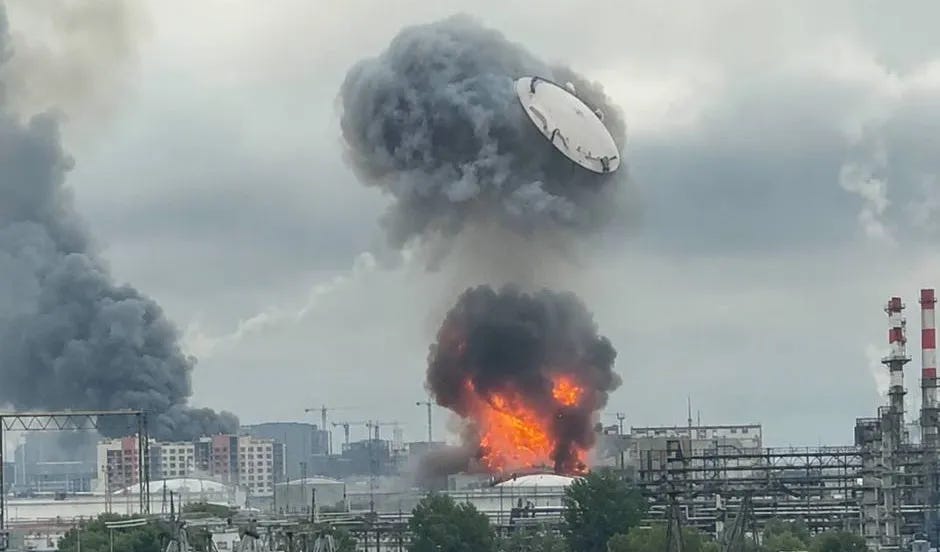
If a single image defined the week, and the status of the war right now, it was the columns of black smoke rising over the Moscow Oil Refinery on the morning of 18 June. And of course, we also saw the wonderful site of an exploding Russian oil tank with its ‘lid being flipped’.
In what Russian and Western reporting described as the largest drone attack on the Russian capital since the full-scale invasion began, Ukraine sent a swarm that Moscow’s mayor said saw nearly two hundred drones downed on the approaches to the city. Russia’s defence ministry claimed to have destroyed some 555 drones nationwide across more than a dozen regions. The refinery, a Gazprom Neft facility on the city’s south-eastern edge, was struck for the second time in a week. Several Moscow airports suspended operations, and at least seventeen people were reported injured in the wider Moscow region.
President Zelenskyy described the strikes as retaliation for Russian attacks on Kyiv earlier in the week, including damage near the historic Pechersk Lavra monastery complex, and used the moment to press a political argument. Writing on social media, he called the operation a justified response and added that it was time the war ended and that Russia must take the necessary steps in diplomacy. The Institute for the Study of War assessed that the increasing frequency, size and depth of Ukraine’s long-range campaign against heavily defended cities such as Moscow and St Petersburg point to growing vulnerabilities in Russian air defences and to a dilemma for the Kremlin over how far it can shield its population from the costs of the war it began.
The Moscow raid was a spectacular element of a campaign that has become a vital part of Ukraine’s war effort. Across the past week, Ukrainian drones struck an oil depot at Gukovo in Rostov Oblast and a string of refining and export targets, sustaining a tempo that, by Kyiv’s own accounting, has knocked out something like a tenth of Russia’s refining capacity.
Politico documented in detail this week how the drone war now defines the conflict, with both sides industrialising production and reaching ever deeper into each other’s rear. The Kyiv Post’s Stefan Korshak profiled the elite Ukrainian strike units now hunting Russian fuel logistics and the bridges linking occupied territory to Crimea.
Ukraine’s strategic logic is unchanged from earlier editions of this newsletter: Ukraine cannot match Russia in mass on the ground, so it is attacking the fuel, money and morale that sustain the Russian war machine, and it is doing so at a range and scale that would have been unthinkable a year ago. A robust campaign to hit all the elements of the Russian air defence system is an important enabler.
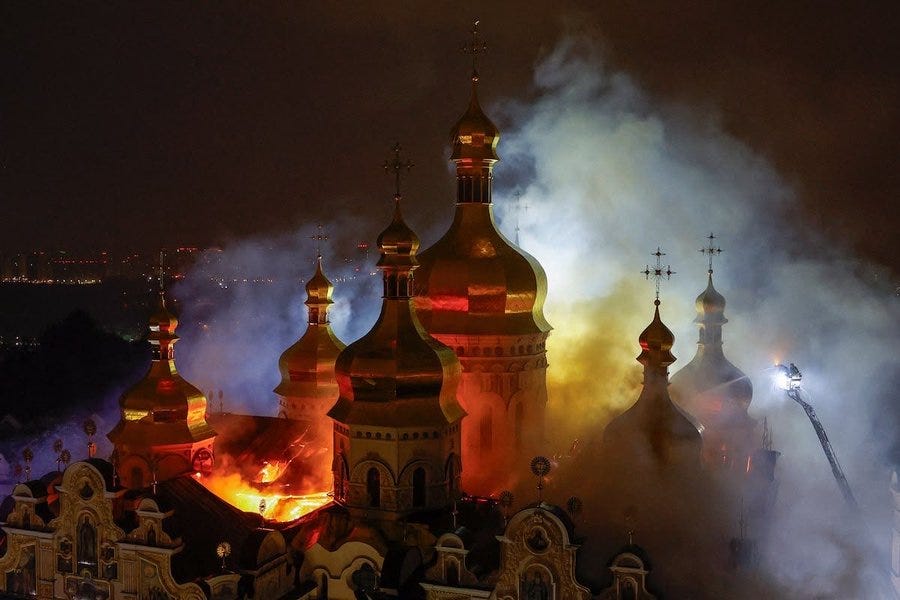
Russian Terror Strikes Continue. Russia’s strategic air campaign continued in the past week. In the early hours of 15 June, a mass missile and drone barrage on Kyiv set the Dormition Cathedral of the Kyiv Pechersk Lavra ablaze, the first time the thousand-year-old monastery, a UNESCO World Heritage site and the spiritual heart of Ukrainian Orthodoxy, had been struck in armed conflict since the Second World War. State security officials recovered the remains of Shahed-type drones at the complex, while Russia implausibly blamed a Patriot interceptor and offered no evidence.
At least eleven people were killed across Ukraine that night, among them five rescue workers in Kharkiv, and President Zelenskyy condemned the attack as one of Russia’s most serious crimes against Christian culture to date, with France’s foreign minister likening it to a bombing of Notre Dame. The bombardment has not relented. In the last forty-eight hours, Russian guided aerial bombs struck a residential block in Kharkiv’s Kholodnohirskyi district, killing one person and wounding nine including a six-year-old child, while a salvo of nine glide bombs on Zaporizhzhia killed at least five and injured around a dozen, damaging nineteen apartment buildings.
In the past 24 hours, President Zelenskyy has warned that Moscow is preparing a fresh massive strike, a campaign aimed squarely at Ukrainian civilians and at the morale that sustains them.
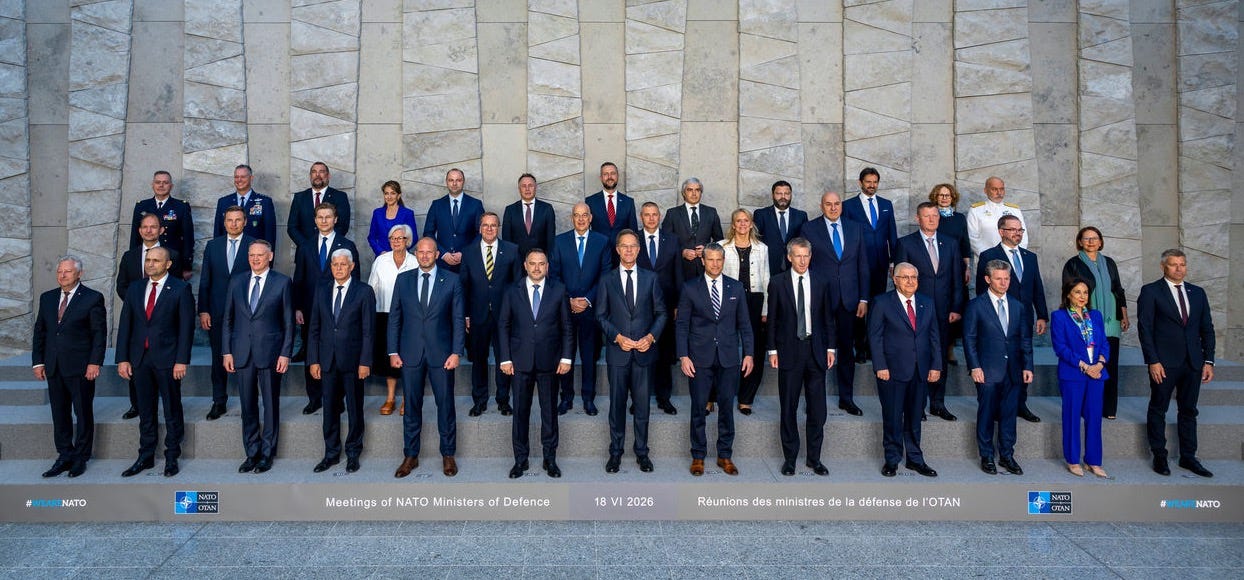
NATO ministers and the Ukraine Contact Group meetings. More meetings about Ukraine were held in Brussels this week. NATO defence ministers met on 18 June, and on the margins the 35th Ukraine Defence Contact Group convened under the chairmanship that has become familiar to readers of this newsletter. Secretary General Mark Rutte described the meeting as defined by a window of opportunity for Ukraine, pointing to a fresh wave of concrete pledges. A group of Ukraine’s supporters, among them Germany, the Netherlands, Latvia, Norway, Lithuania, Denmark, Luxembourg, Croatia, Sweden, Australia and Iceland, committed hundreds of millions of dollars to the Prioritised Ukraine Requirements List (PURL), the mechanism through which European and Canadian money buys American equipment for Kyiv.
The United Kingdom’s defence minister Dan Jarvis announced a package worth roughly 752 million pounds, including 150,000 drones, more than 350 air defence missiles and radar systems, funded through Britain’s Extraordinary Revenue Acceleration loan and scheduled for delivery by the end of the year. Germany’s Boris Pistorius committed around 400 million dollars for air defence ammunition and a further sum for PAC-3 interceptors, the missiles that give Patriot batteries their reach against ballistic threats.
In his pre-ministerial remarks on 17 June, Rutte noted that European allies and Canada had increased core defence investment by more than ninety billion dollars in 2025, a near twenty per cent rise in a single year, and he welcomed the United States deal with Iran as a step that improves security for all.
The alliance now shifts its attention to preparing for and conducting its summit in Ankara on 7 and 8 July. This year’s summit will test whether these pledges translate into delivered capability rather than pure communiqué language.
Diplomacy at the G7. The diplomacy of the week was concentrated at the G7 summit in Evian-les-Bains from 15 to 17 June, and its dominant feature was the degree to which Iran overshadowed Ukraine. Host Emmanuel Macron worked to keep the war in the east on President Trump’s agenda, and to a degree he succeeded.
Trump backed a joint communiqué, suggested he might be willing to renew American sanctions on Russia, and told reporters the administration was looking at the question while watching the price of oil. The G7 reached consensus on new measures targeting Russia’s oil and gas exports and its shadow fleet.
However, as the Council on Foreign Relations argued, the alliance’s alignment on Iran and Ukraine is fragile, resting on a personal disposition that has shifted before and may shift again. The E3 of France, Germany and the United Kingdom are opening their own channels to Moscow in an effort to persuade President Vladimir Putin that he holds the weaker hand. President Zelenskyy used the gathering to secure further commitments on air defence.
There was no breakthrough toward a settlement of the war itself this week. In the past 48 hours, Russia’s foreign minister rejected Europe’s efforts to secure peace in Ukraine.
Tensions with Belarus. A new-ish vector for the war opened this week. On 19 June, Zelenskyy gave Belarus one week to dismantle the equipment along its border that he said relays and adjusts Russian drones onto Ukrainian targets, warning that if Minsk did not act, Ukraine would. Three days earlier, Commander-in-Chief Oleksandr Syrskyi announced the formation of new unmanned systems units to reinforce the northern border, citing the need to prepare for possible provocations.
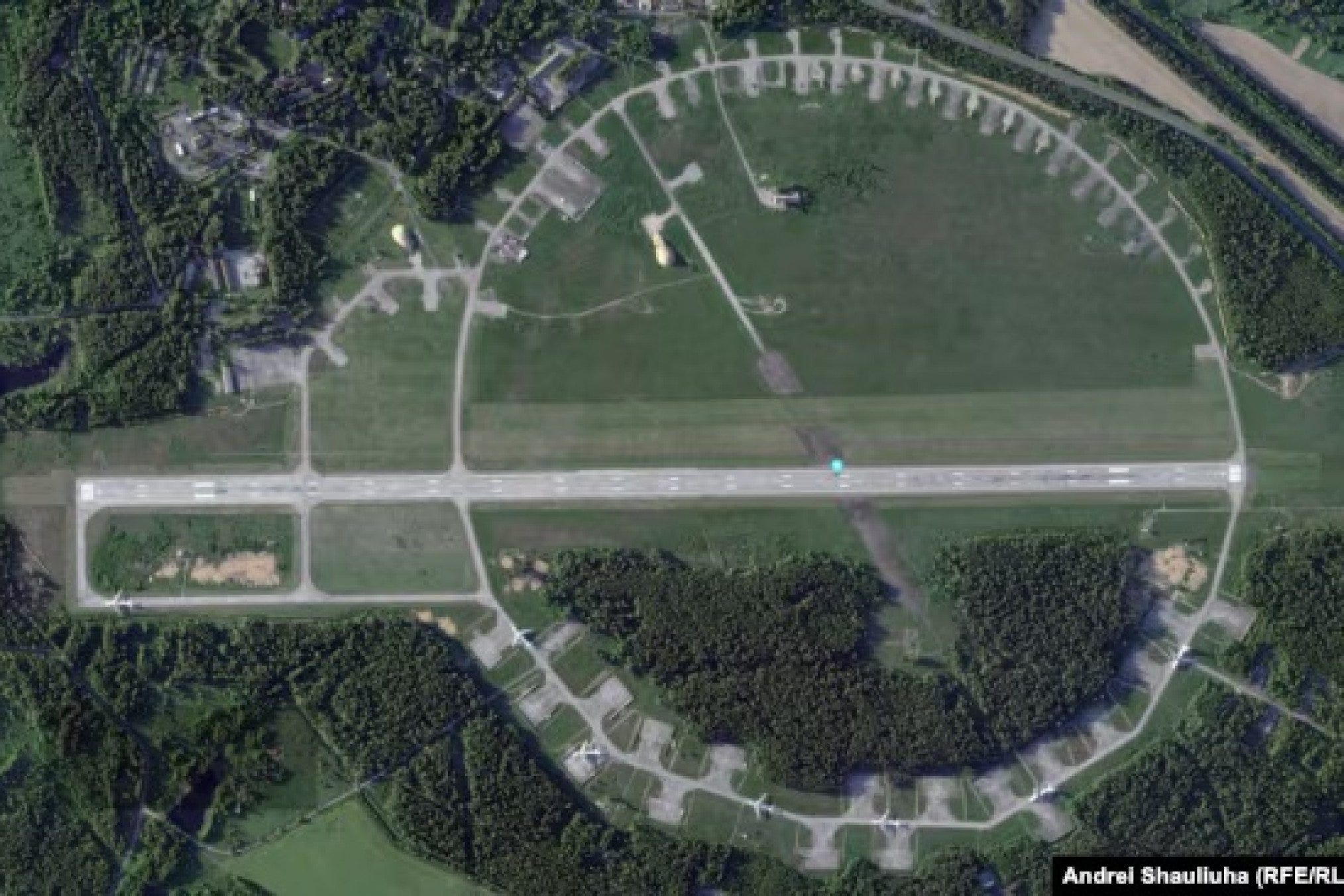
The backdrop is a continuing use of Belarusian territory by Russia to wage its war against Ukraine. United24 has reported that Russia has built new Shahed launch sites near the Belarusian frontier, and the commander of Ukraine’s Unmanned Systems Forces, Robert Brovdi, has said his forces have already identified five hundred potential targets inside Belarus.
Alexander Lukashenko denied any intention of entering the war, observing that Belarusian involvement would widen the front dramatically and could draw NATO in directly. The danger is not that Belarus launches military operations of its own against Ukraine, but that Belarusian territory becomes a more active platform for Russian strike operations, and that Ukrainian retaliation creates an escalation dynamic that gets out of control.
On the ground – pressure but minimal gains. Drawing on DeepState’s mapping and ISW reporting, the Russia Matters War Report Card this week recorded that Russia either gained 10 square miles of Ukrainian territory in the past month – or lost 57 square miles. The range of claims is more indicative of a front line that is not a line but a kilometres deep grey zone where control of ground changes rapidly and is continuously contested.
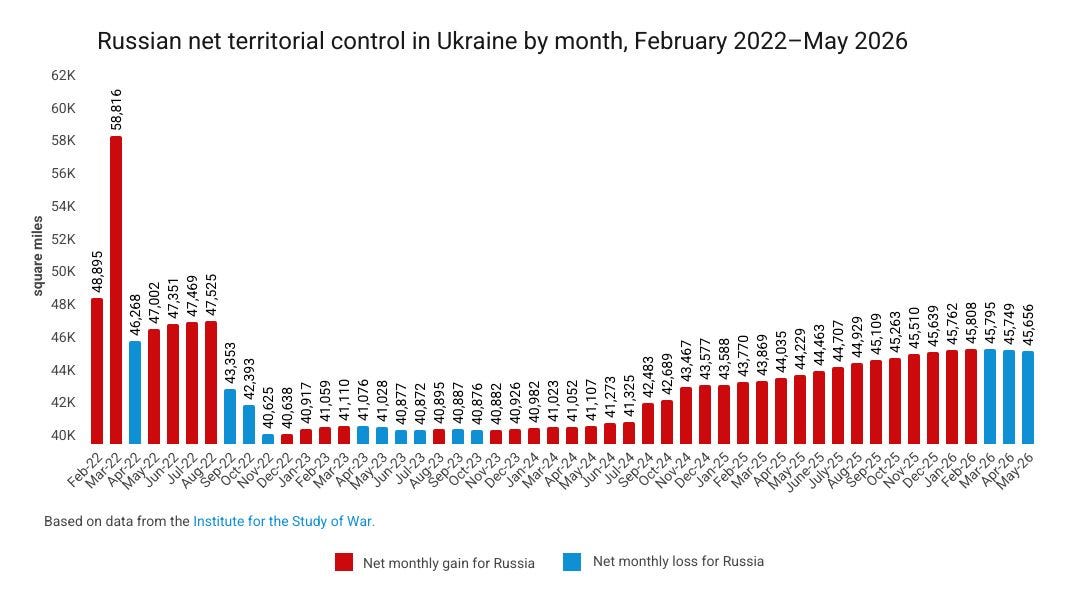
Russian advances were reported near or in eight settlements clustered around Pokrovsk and Kostiantynivka, including Rodynske, Illinivka and Sofiivka. These are minor gains. Russia captured Pokrovsk and Myrnohrad earlier this year but has struggled to convert these gains into a wider breakthrough. The best that might be said of Russia’s spring offensive on the ground is that it has almost stalled, and without any major injection of resources, appears close to culminating.
Ukraine’s Trophy Lab. This week, the Ukrainian defence minister launched TrophyLab, which is designed to provide access to captured Russian weapon technologies for Ukraine’s global partners. As Defence Minister Fedorov describes:
Every missile, drone, and vehicle seized on the battlefield is now a source of knowledge for the free world. Through this secure platform, allied governments, labs, and defense tech manufacturers gain access to deep technical data, reports, and vulnerabilities. Users can also request physical equipment for testing, significantly shortening the development cycle for countermeasures.
You can read more about this initiative at the Trophy Lab site here.
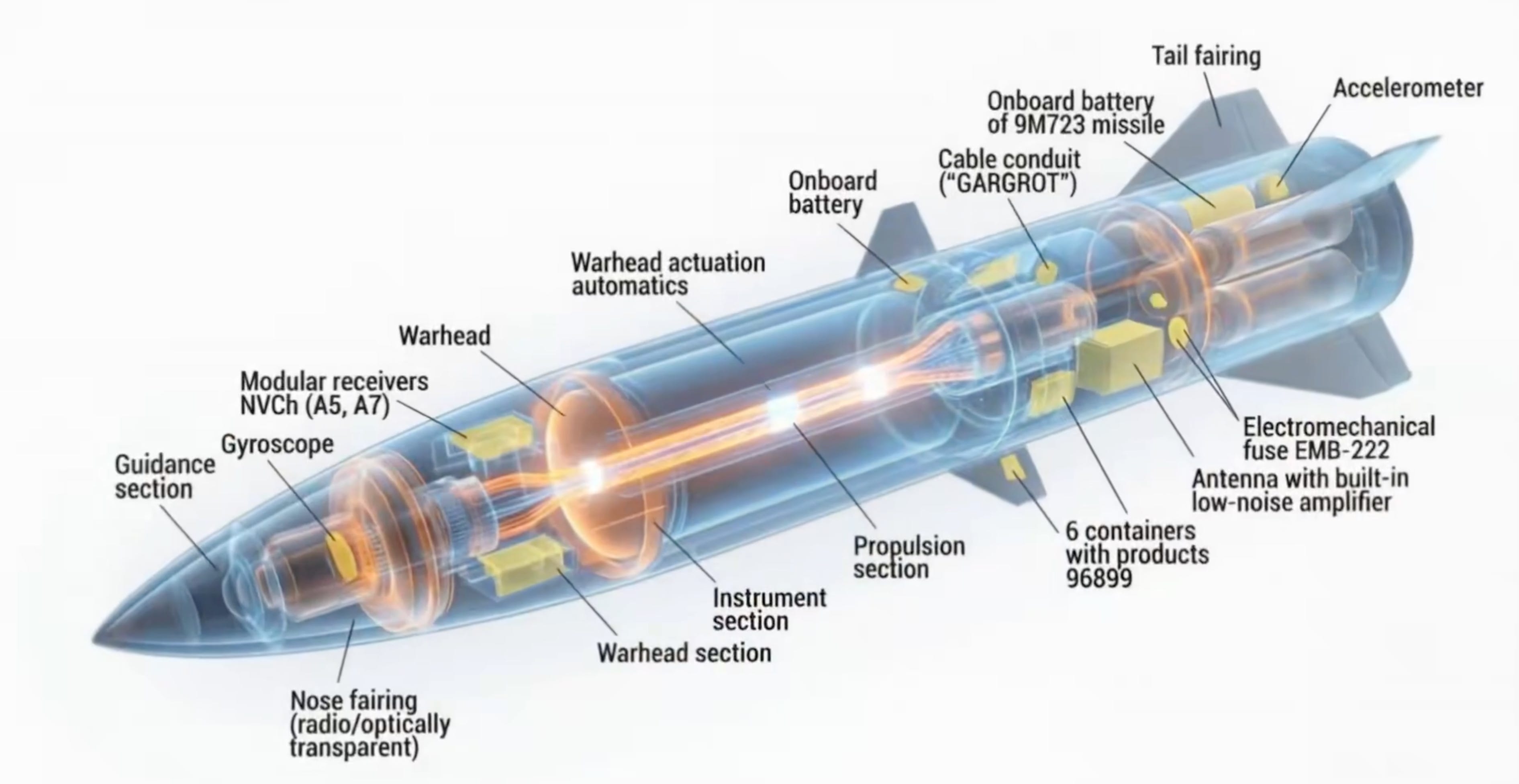
USF – One Year. This week, the Ukrainian Unmanned Systems Forces produced a video that looks at their achievements in the past year. You can watch that video here.
Ukraine Assessment
The week revealed more evidence that Ukraine has seized the strategic initiative in this war, and that it is using its current momentum to shape both the battlespace and the negotiating table. The strike on Moscow was not a war-winning blow, and it will not halt the Russian ground operations in Donetsk attempting to seize more territory.
The significance of the Moscow strike is instead cumulative and political. Each deep strike that reaches the Russian capital, sets a refinery alight or grounds traffic at Moscow’s airports, widens the gap between the Kremlin’s narrative of inevitable victory and the lived reality of Russia under Ukrainian drone and missile attacks. This only strengthens Ukraine’s hand in any conversation about war termination.
Three risks are apparent, however.
The first is the northern frontier, where the combination of Russian launch infrastructure in Belarus and Zelenskyy’s ultimatum creates a possible route to escalation that would not benefit Ukraine nor Belarus. It would probably suit Russia’s aims, however, as it would draw in additional resources on their side and force Ukraine to redeploy forces from other parts of Ukraine.
The second risk is the fragility of Western resolve, made apparent at the G7 at Evian during the week. The gravitational pull of the Iran conflict, which appears far from settled, distracted from discussions about Ukraine. And American sanctions against Russia for its brutal war against Ukraine remain a matter of presidential mood rather than settled policy.
The third risk is manpower. This is a challenge that Ukraine’s new reforms are tackling but cannot quickly resolve.
Overall, Ukraine has bought itself both leverage and time this week. Whether it can convert these into a just and durable settlement depends less on the next drone raid than on the steadiness of its partners and the depth of its own capacity to continue the war.
The Pacific

Pacific Command Again. This week, Pacific Command returned to the US military order of battle. A 16 June release by PACOM announced the change. PACOM was established by President Harry Truman in 1947, but the change in name to INDOPACOM was announced in May 2018 by then-Defense Secretary James Mattis.
According to the PACOM release the change restores “the legacy USPACOM designation honors the command’s deep historical roots, fostering a sense of pride and collective spirit among all who serve in the Pacific. From its critical role in establishing the post-WWII regional security architecture to its coordination of joint forces during the Korean War, the Vietnam War, and countless humanitarian operations, the USPACOM namesake carries decades of military heritage and enduring regional partnerships.”
PACOM’s area of responsibility, from the West Coast of America to the western border of India, remains unchanged.
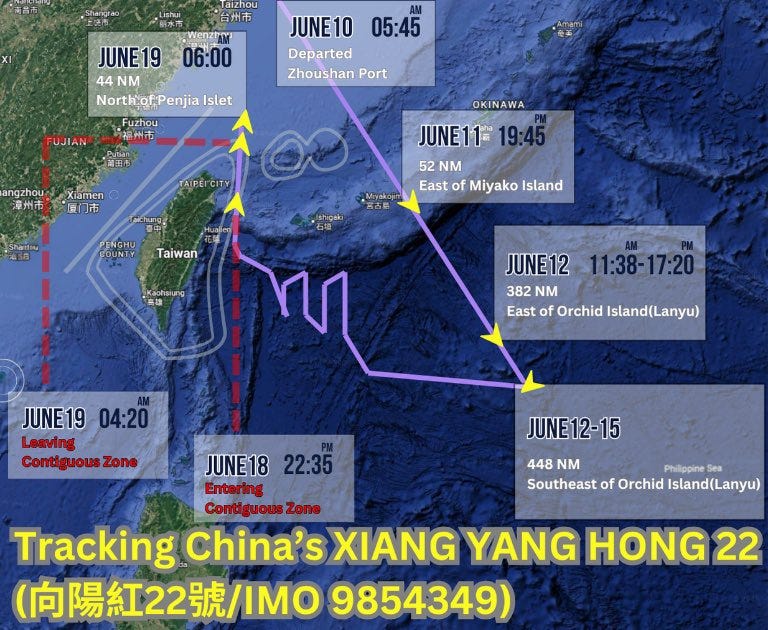
Maritime pressure east of Taiwan and around the Philippines. The key military development this week was over the period 16 to 18 June, when the Chinese research vessel Xiang Yang Hong 22 conducted what Beijing called a marine environmental survey in disputed waters east of Taiwan, escorted by two China Coast Guard ships. The data such vessels gather on undersea conditions has direct application to submarine navigation and detection in waters near the Bashi Channel and the Miyako Strait, the chokepoints China would seek to control in any blockade or invasion of Taiwan.
The survey is the latest move in a campaign to normalise a Chinese presence in the area since 1 June, a campaign prompted in part by Japanese and Philippine talks to delineate their overlapping exclusive economic zones, which Beijing claims through its assertion of sovereignty over Taiwan.
Against the Philippines, China escalated from coercion at sea to coercion of individuals. On 11 June it sanctioned Philippine Defence Secretary Gilberto Teodoro, barring him and his family from China in what the ISW-AEI Coalition Defense of Taiwan project assessed to be the first time Beijing has sanctioned a sitting minister of a state it recognises. The move followed Teodoro’s persistent rejection of the nine-dash line and his description of China as a severe territorial threat.
Beijing paired the sanction with a strategy familiar from its handling of Taiwan, casting a few anti-China officials as unrepresentative clowns while courting more sympathetic Filipinos.
Japan, and the long shadow of 2027. Japan emerged from the G7 with a quiet win. The summit statement’s inclusion of Taiwan was a victory for Prime Minister Sanae Takaichi, whose remarks last November about the possibility of Japanese military intervention in a Taiwan crisis had driven ties with Beijing to their lowest point in decades. The Taiwan language reassured a government now rewriting its three core security documents and, since April, permitting the export of lethal weapons.
Changes in the North Korea Constitution. On 18 June the ISW-AEI project published a special report assessing that North Korea’s recent constitutional amendments cement the regime’s strategic posture. This is a reminder that the Korean peninsula remains a dangerous and unresolved challenge in the regional competition.
****************
It’s time to explore this week’s recommended readings.
In this week’s Big Five, I have included articles on how the Chinese PLA is examining how to bridge the gap between expected and actual battlefield performance, how AI development might see it move beyond human control and the requirement for accountability in a professional military institution. There are also articles on how China is using an integrated civil-military approach to generating sufficient sealift for any invasion of Taiwan, and how the US-China detente is not what it appears.
As always, if you only have the time available to read one of my recommendations, the first is my pick of the week.
Happy reading!
1. The PLA Emphasis on Battlefield Execution
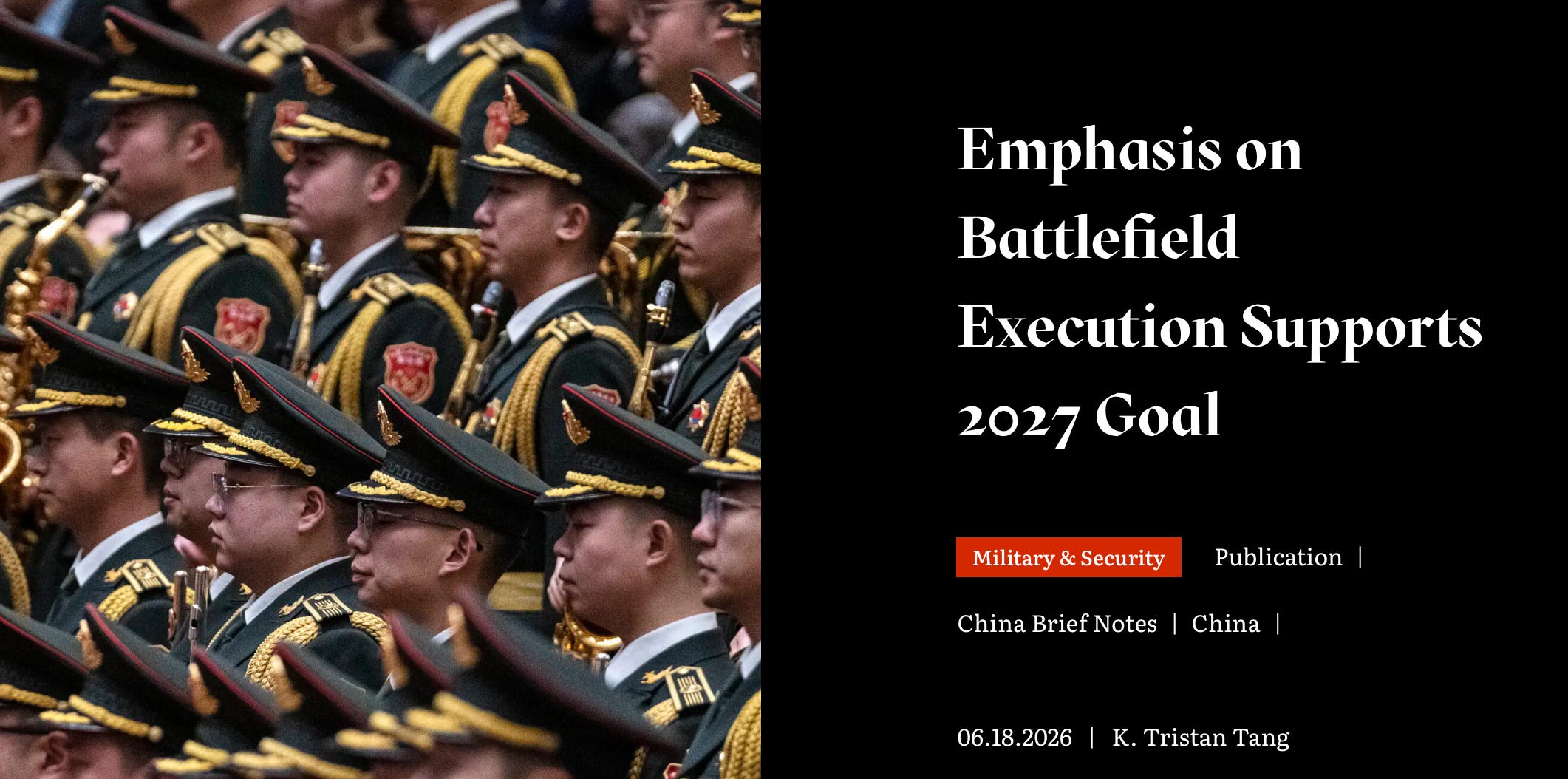
K. Tristan Tang reads the PLA’s own newspaper closely and finds something interesting in his latest assessment. The recurring discussion of “battlefield execution,” the bridge between a commander’s intent and a realised effect, signals that the PLA still recognises real deficiencies in joint operations and logistics as it approaches its 2027 centennial. Particularly sharp is his observation of the tension between the political control tightened by the recent purges and the regulated autonomy that effective execution demands. Published by the Jamestown Foundation, this analysis provides a useful foundation for how we assess future PLA exercises. It is available to read here.
2. Will AI Evade Human Control?

In this piece published by the Council on Foreign Relations, the author takes Anthropic’s recent report on self-improvement as a start point, and proposes that within perhaps two years a model could arrive that evades human control altogether. For those interested in policy, strategy and defence issues, this is useful framing of AI as an arms-control problem. You can read the full piece here.
3. Accountability in a Professional Military

This article, published by the US Army College War Room blog, offers the week’s most useful writing about institutional self-reflection. As the author notes, accountability is not a synonym for punishment but a reciprocal relationship, a two-way street of responsibility and responsiveness that runs up, down and across a force. He maps four failure modes, from leaders who never stay to see the consequences of their decisions to the “different spanks for different ranks” that corrode trust and makes the case that a culture of accountability must be deliberately built rather than assumed. A fine article, it is available at this link.
4. China’s Holistic Amphibious Preparations
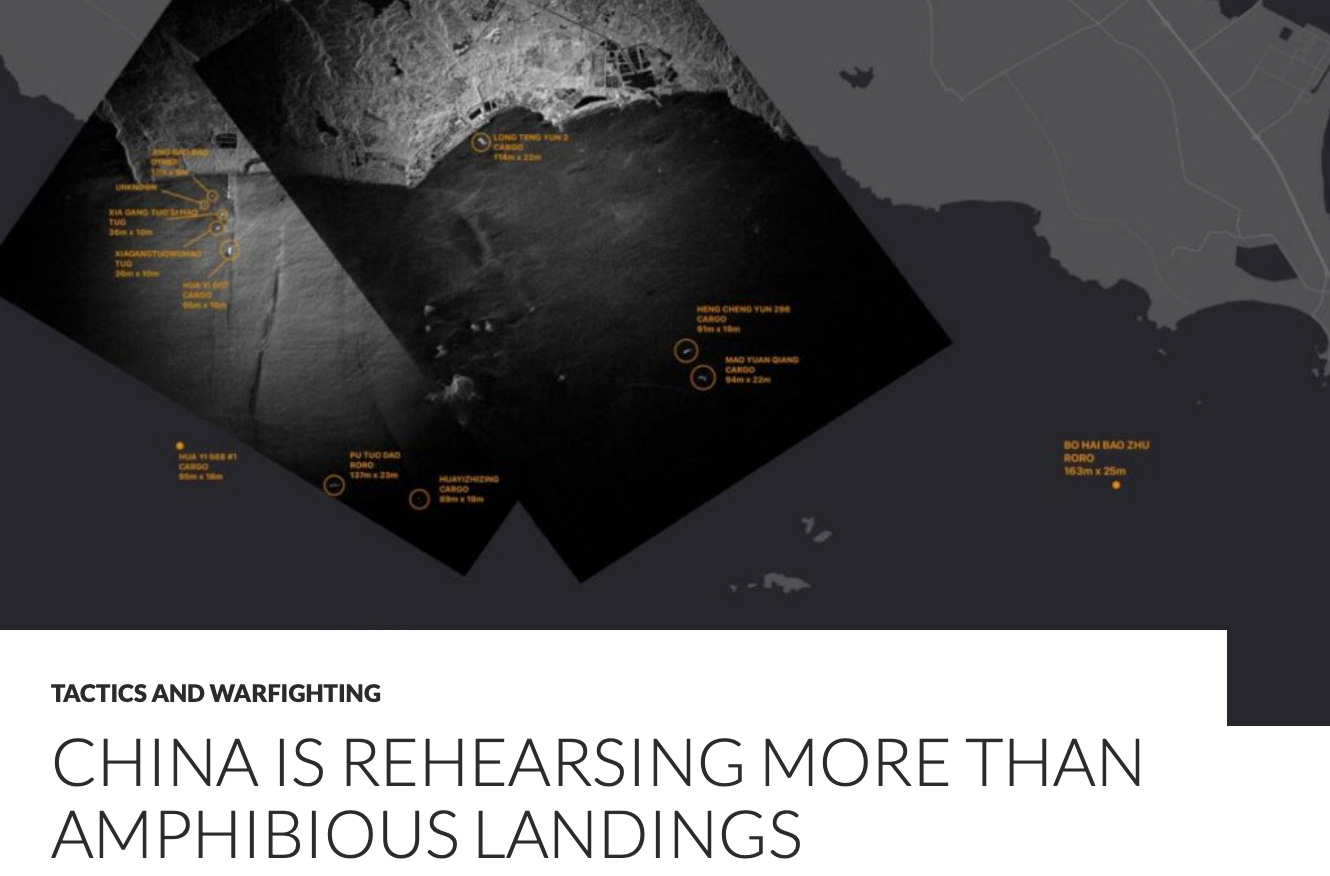
The authors of this article, published by CIMSEC, are reframing the Taiwan invasion debate by moving beyond whether the PLA has enough grey-hull amphibious lift, but exploring instead if it can fuse civilian ferries, landing craft and port infrastructure into a distributed, low-signature campaign across a Taiwan-relevant geography. Drawing on the August 2025 capstone exercise and a China Maritime Studies Institute report, they show the PLA rehearsing dispersal across 360 kilometres of coastline that mirrors Taiwan’s western shore, manoeuvring through aquaculture obstacles, and minimising the indications and warnings on which Taipei’s defence depends. An excellent report, it can be read at this link.
5. Fake Stability in the US-China Relationship
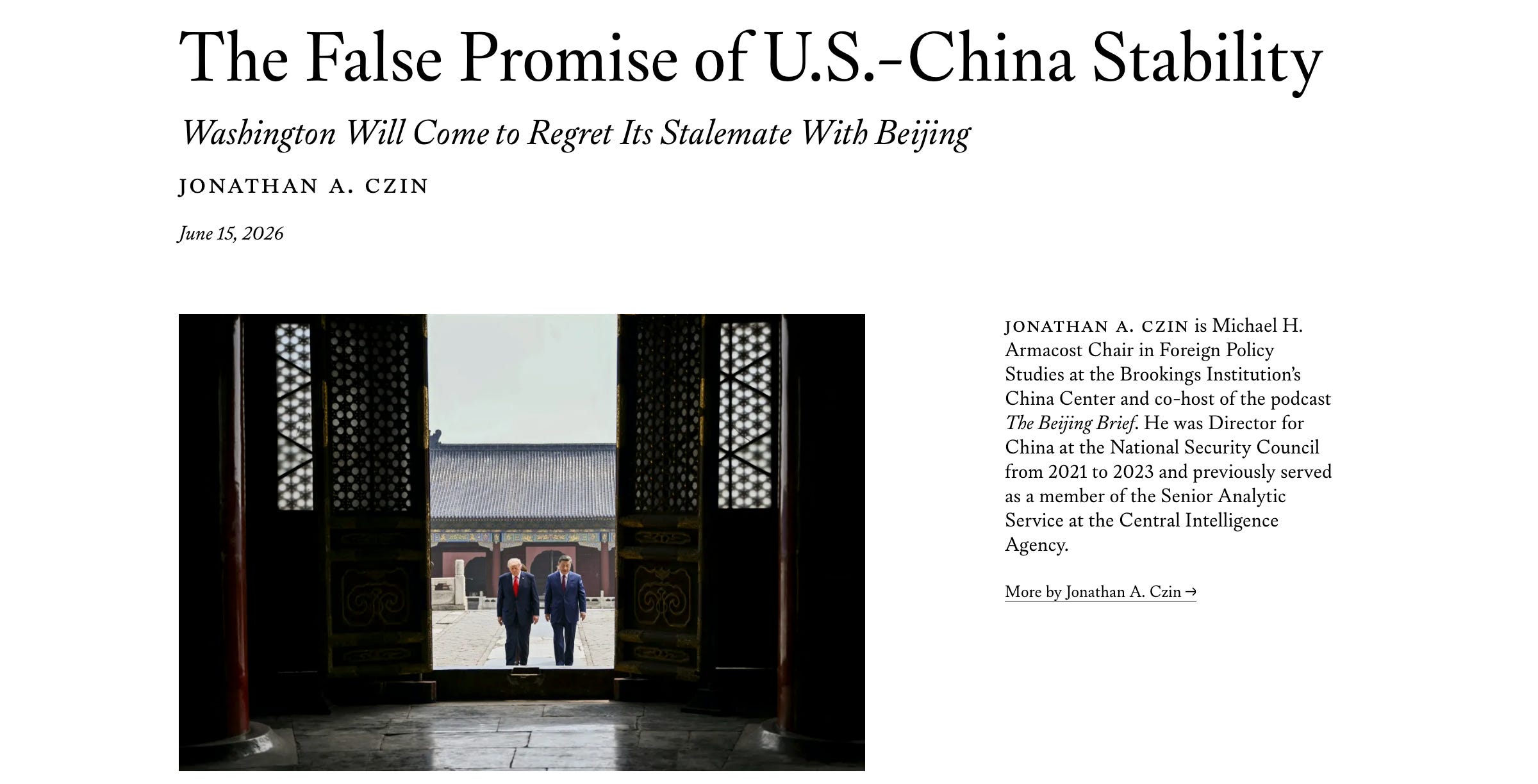
This article published by Foreign Affairs challenges the idea that the Trump–Xi summitry has stabilised the relationship. The author’s argument is that the appearance of détente is a managed illusion behind which Beijing continues to advance, pursuing not a single bet on AI but a portfolio across robotics, biotechnology and green energy, with firms like BYD already reaping the returns. The piece is available at this link.