


Nations now exist in an interregnum as they attempt to navigate the roiling and dangerous seas of a post–Pax Americana world. No one can guarantee that this will be a peaceful period, nor can one predict how long this time of global uncertainty could last. CFR, 30 January 2026.
The quote above, from my article in January this year, is entirely relevant to the events of the past 24 hours. The Trump administration has launched a new war against Iran.
There will be many implications of this new conflict; some which can be foreseen (see below), and others that cannot. Wars are full of uncertainty, and because they feature belligerents with agency, they resist the best efforts of humans to impose time limits and achieve certainty about outcomes. I am resisting a Clausewitz quote here.
In this week’s update, I have broken it into three parts. First, I undertake a quick assessment of the likely strategic impacts of the new Iran War on Ukraine and the Pacific Theatre. Second is my normal update on events in Ukraine over the past week. The final part is my update on happenings in the Pacific theatre. Given all that is going on at present, I have dispensed with this week’s Big Five reading recommendations but will return to it next week.
It is worth noting up front that there is still much that could occur and surprise us in the new Iran War. As such, the judgements below are provisional and can change as the direction of the war evolves.
New War in the Middle East: Impacts in Ukraine and the Pacific

It has been a hectic 24 hours tracking the events occurring in the skies and on the ground in Iran as well as the various Iranian retaliatory strikes against Israel and other nations in the Middle East.
Just yesterday, I published a piece that explored short interventions that turn into protracted conflicts. As a veteran of Iraq and Afghanistan, I was prompted to write after the U.S. Vice President stated this week that:
The idea that we’re going to be in a Middle Eastern war for years with no end in sight — there is no chance that will happen.
This is exactly what Defense Secretary Rumsfeld said a few months before the beginning of the second Gulf War in 2003:
The idea that it’s going to be a long, long, long battle of some kind I think is belied by the fact of what happened in 1990…Five days or five weeks or five months, but it certainly isn’t going to last any longer than that. It won’t be a World War III.
The long and the short is that we just don’t know how long this might last, regardless of what the current military campaign plan describes or what politicians state in their hopeful speeches. My article yesterday (which I updated last night) explores the phenomenon of short wars becoming long wars, with the intention of setting expectations appropriately at the start of this new Iran War. It could be a short intervention, but the Iranians will also get a vote in that.
We don’t really know enough yet to make good judgements about how this conflict might spread through Iran’s proxies in the region and beyond. We also don’t have enough information on the progress of military operations against Iran to appreciate yet what the endgame is for this war, or if there is one.
Thinking beyond the immediate Iran campaign, what might be the impact of this new Iran War on Ukraine and strategic competition in the Pacific?
Impact on Ukraine. The immediate strategic question is not whether the Iran operation affects Ukraine. It unquestionably does. The key issue is how severe those effects prove for Ukraine, and whether this creates opportunities Russia can exploit.
The most direct impact concerns American munitions production and allocation. Israel’s strikes employed approximately 200 fighter jets hitting 500 targets across Iran, requiring substantial expenditure of precision-guided munitions (PGM). Some of these PGMs are what Ukraine desperately needs for medium and long-range strike against Russian logistics and command nodes. More importantly, reloads for air defence interception systems like the Patriot are critical to Ukrainian defences, but are in heavy demand at present in the Middle East.
Any reduction in Western munitions deliveries, whether from production diversion or bureaucratic bandwidth limitations, directly translates to Ukrainian defensive capability degradation. Russia’s General Staff will almost certainly have noted this, and with the pending warmer weather in Ukraine, may amend offensive operations plans to exploit any temporary Ukrainian capability gaps while American attention and production capacity focuses on Iran.
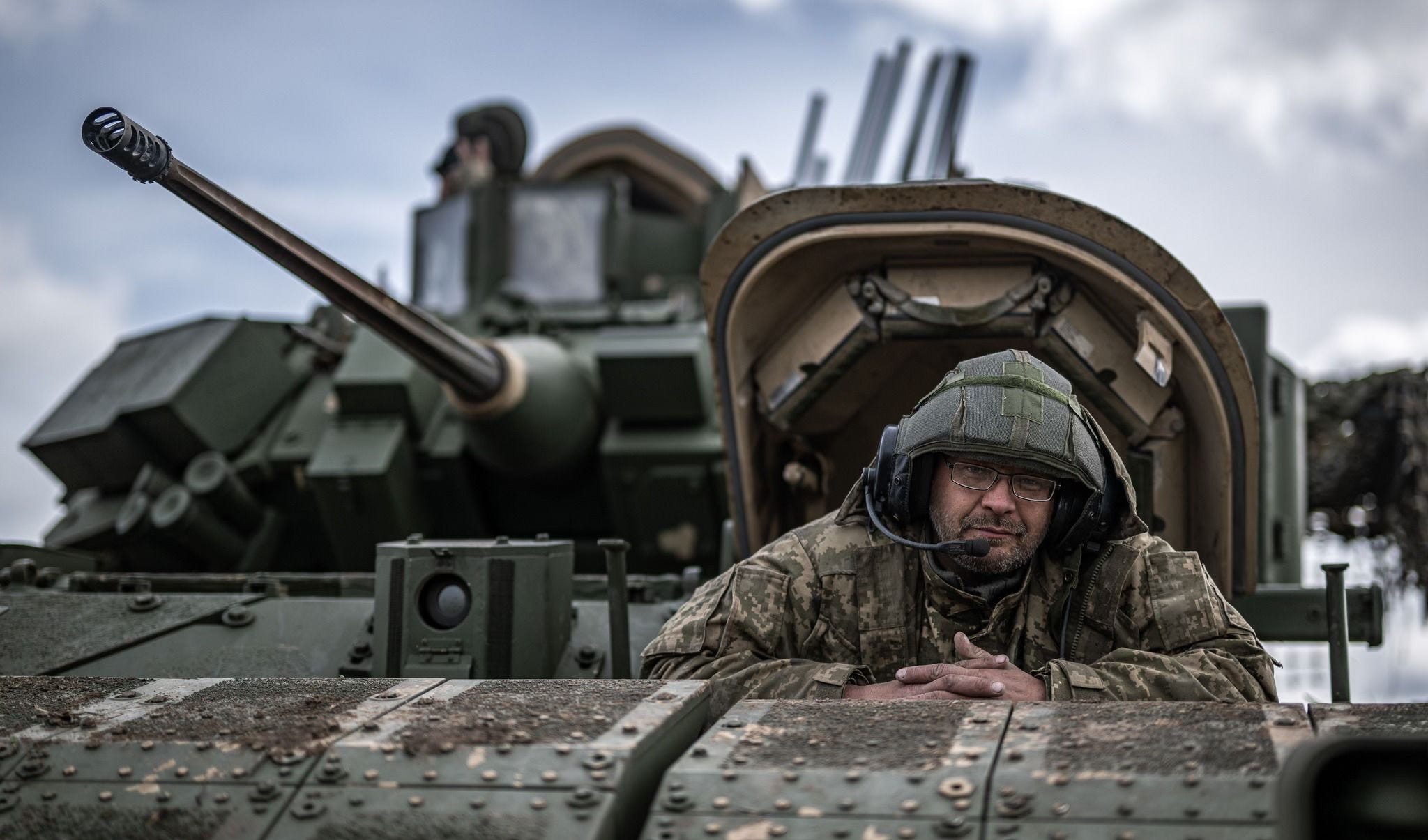
Beyond munitions, the Iran operation consumes American intelligence collection and analysis effort that is critical to Ukraine’s operational effectiveness. American satellite reconnaissance assets, airborne intelligence platforms, and cyber warfare capabilities that prioritize operations in Iran may have an impact on Ukraine’s defensive operations on the ground and their long-range strike campaign
The diplomatic and political bandwidth consumption by the Trump administration in executing the Iran War may be even more consequential than materiel concerns. It has been clear for some time that Russia has no objective for the ongoing peace talks other than to drag things out while not upsetting Trump too much. The American negotiators, on the other hand, have been happy to play along with this charade, placing all the most onerous demands on the Ukrainians (limiting force size, territorial concessions, security relationship limitations) and none on Russia. Russia may see an opportunity to continue delaying peace talks or even to suspend negotiations while the war in Iran continues.
Russia’s leadership almost certainly views the Iran operation as validating their strategic patience and their view on western strategic impatience. Putin has long calculated that Western attention spans and resource allocation capabilities face temporal limitations. Moscow might expect that an American military focus on Iran, the potential for a prolonged commitment of U.S. forces for combat operations, and the domestic American political consequences of another Middle Eastern war might further erode American support for Ukraine.
Another concern for Ukraine would be if America insists that European allies increase their Middle Eastern contributions. This would probably come at Ukraine’s expense, as European defense budgets and war stocks remain limited despite commitments to growth.
The Russian military’s General Staff will be watching Iran closely. This is not with a view to assist Iran – they have zero interest in that. But they will be learning from any new American or Israeli technologies or operational techniques. While they will also be assessing whether the moment has arrived to test Western resolve through even more intensified operations, their physical capacity to step up ground operations and aerial attacks beyond that already planned for the Spring is questionable.
There might also be a strand of thinking that says the war in Iran is bad for Putin. The hypothesis for this would be that Putin, unable to assist Iran, is shown to be weak and an ineffective security partner. That is a potential outcome, and certainly not a bad thing. Another part of this ‘bad for Putin’ hypothesis is that Putin is being messaged by the U.S. administration that he needs to get serious about negotiations. I think this proposition might be on thinner ice.
Trump, at no point, has shown any inclination in negotiations or his public statements to put more pressure on Putin to end his war against the Ukrainian people. Indeed, in his video speech last night, Trump showed more empathy for the Iranian people than he has for the Ukrainians at any point during Russia’s brutal invasion.
Ultimately, the central issue is that American commitments against Iran, defending regional nations, its focus on the Western hemisphere and the need to sustain Pacific operations means that Ukraine may fall to the bottom of American military and strategic priorities even faster than forecast in the recent U.S. National Defense Strategy. That would be a tragedy for the people of Ukraine.
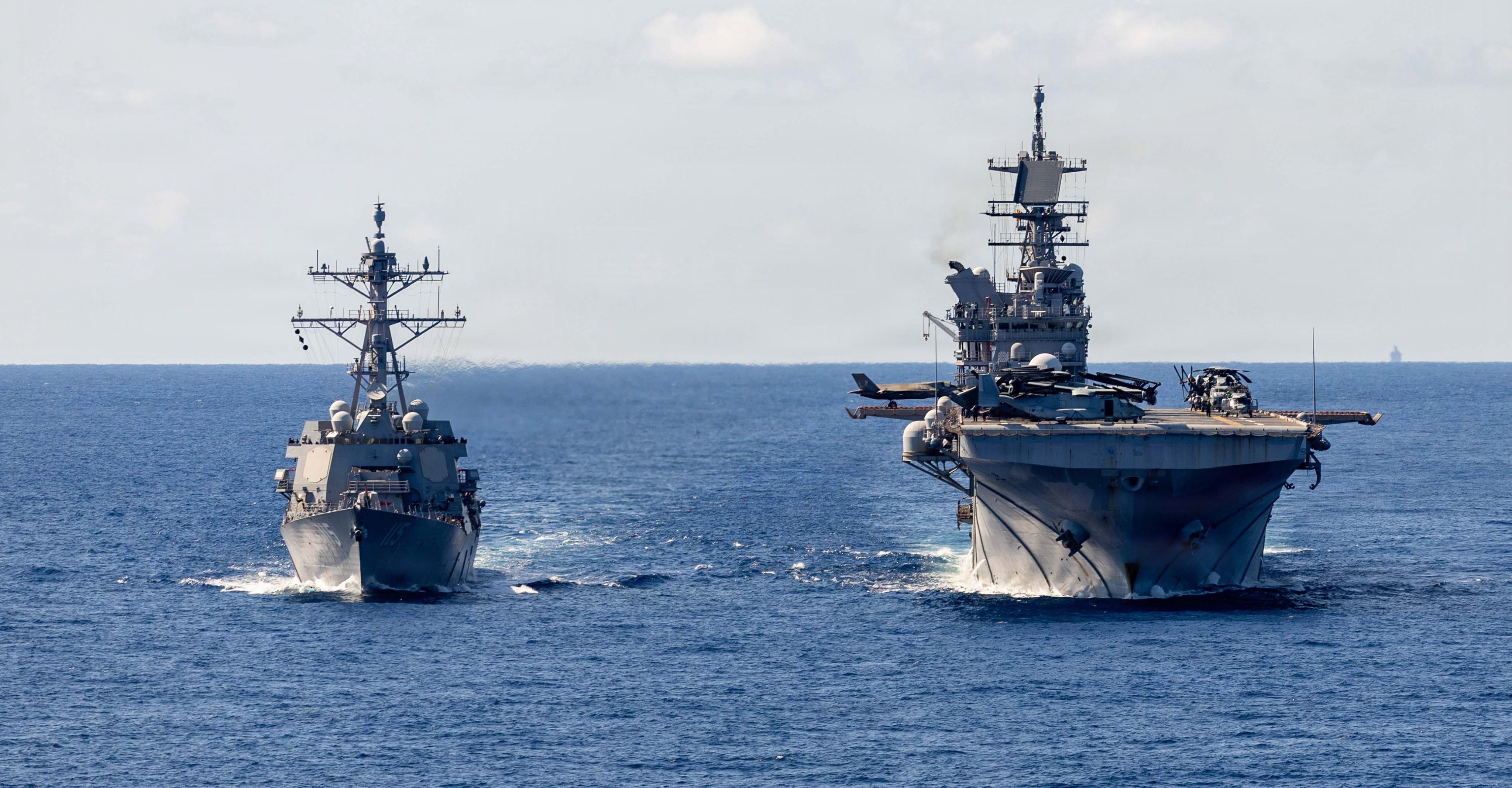
Impact on the Pacific. The deployment of USS Gerald R. Ford and USS Abraham Lincoln to the Middle East, the largest dual-carrier concentration in the Middle East since 2003, represents more than regional power projection. It constitutes a reallocation of American naval power away from the Indo-Pacific at precisely the moment when China watches closely, calculating how American strategic overextension creates opportunities for Beijing in the region.
The new strikes on Iran, regardless of operational success, signal to every Pacific ally and adversary that American commitments remain hostage to Middle Eastern contingencies - and the U.S. Western Hemisphere focus. This could possibly undermine allied deterrence credibility across the first island chain, a key objective in the new US National Defense Strategy.
Beijing issued a standard diplomatic condemnation as the Iran attack commenced:
China is highly concerned over the military strikes against Iran launched by the U.S. and Israel. Iran’s sovereignty, security and territorial integrity should be respected. China calls for an immediate stop of the military actions, no further escalation of the tense situation, resumption of dialogue and negotiation, and efforts to uphold peace and stability in the Middle East.
But in the lead up to the new war, China was hardly neutral. It was negotiating to provide Iran with CM-302 supersonic anti-ship missiles, new cyber defence systems, and kamikaze drones which may have been delivered just before the strikes commenced. This indirect support costs China minimal political capital. But it allows them to achieve three strategic outcomes:
Deepening Iranian dependence on Chinese military technology.
Demonstrating to regional actors that Beijing supports partners facing American pressure.
Ensuring Iran remains capable of consuming American attention and resources that cannot be employed in the Pacific theatre.
A recent Chatham House assessment argues that China’s surface-level neutrality masks a much more calculated long-term strategic direction. The weaker Iran becomes from American strikes, the more dependent Tehran grows on Beijing for diplomatic protection, economic support, and military technology. China avoids direct confrontation with the United States while positioning itself as Iran’s indispensable partner.
This is exactly the strategic calculus that Beijing has successfully employed with Russia over the past four years. From China’s perspective, American military action against Iran serves Chinese interests by creating dependency relationships Beijing can exploit while diverting American resources from competition in the Pacific theatre.
China’s strategic calculus involves patience and allowing what it sees as American strategic incoherence to do China’s job for it. Beijing doesn’t need to defeat America militarily when American strategic fascination with the Western Hemisphere and the Middle East degrades U.S. deterrence in the Pacific through capability dispersion. Every carrier in the Gulf, every squadron in Europe, every missile defence battery protecting Middle Eastern countries represents capacity unavailable for containing Chinese expansion. American allies in the Pacific see this and will make strategic choices accordingly.
Beyond China’s strategic aspirations, war against Iran has similar hardware implications for countries in the Pacific region as it does for Ukraine. American missile defense assets—Patriot batteries, THAAD systems, Aegis destroyers—concentrate in the Gulf protecting against Iranian retaliation. These same systems have previously been earmarked for Pacific deployment supporting the defence of Taiwan or protecting Japanese and South Korean populations from North Korean missiles.
Additionally, munitions used in this Iran war will not be available for any contingency that involves combat against the PLA in the Pacific. The backfilling of these munitions for U.S. inventories may also delay delivery of arms packages to US allies in the Pacific.
Ukraine Update
Looking beyond the impact of the new Iran War on Ukraine and the Pacific, this week saw the fourth anniversary of Russia’s full-scale invasion of Ukraine. The past seven days featured marginal Ukrainian gains in the south, continued Russian pressure on the ground in the east, and the continuation of Ukrainian and Russian deep-strike campaigns.
The War Plan. This week the Ukrainian Defence Minister released what is being called the War Plan. The plan includes three strategic objectives: closing the sky (air defence); stopping the advance of Russian forces in every domain; and depriving Russia of the economic resources needed to wage war.
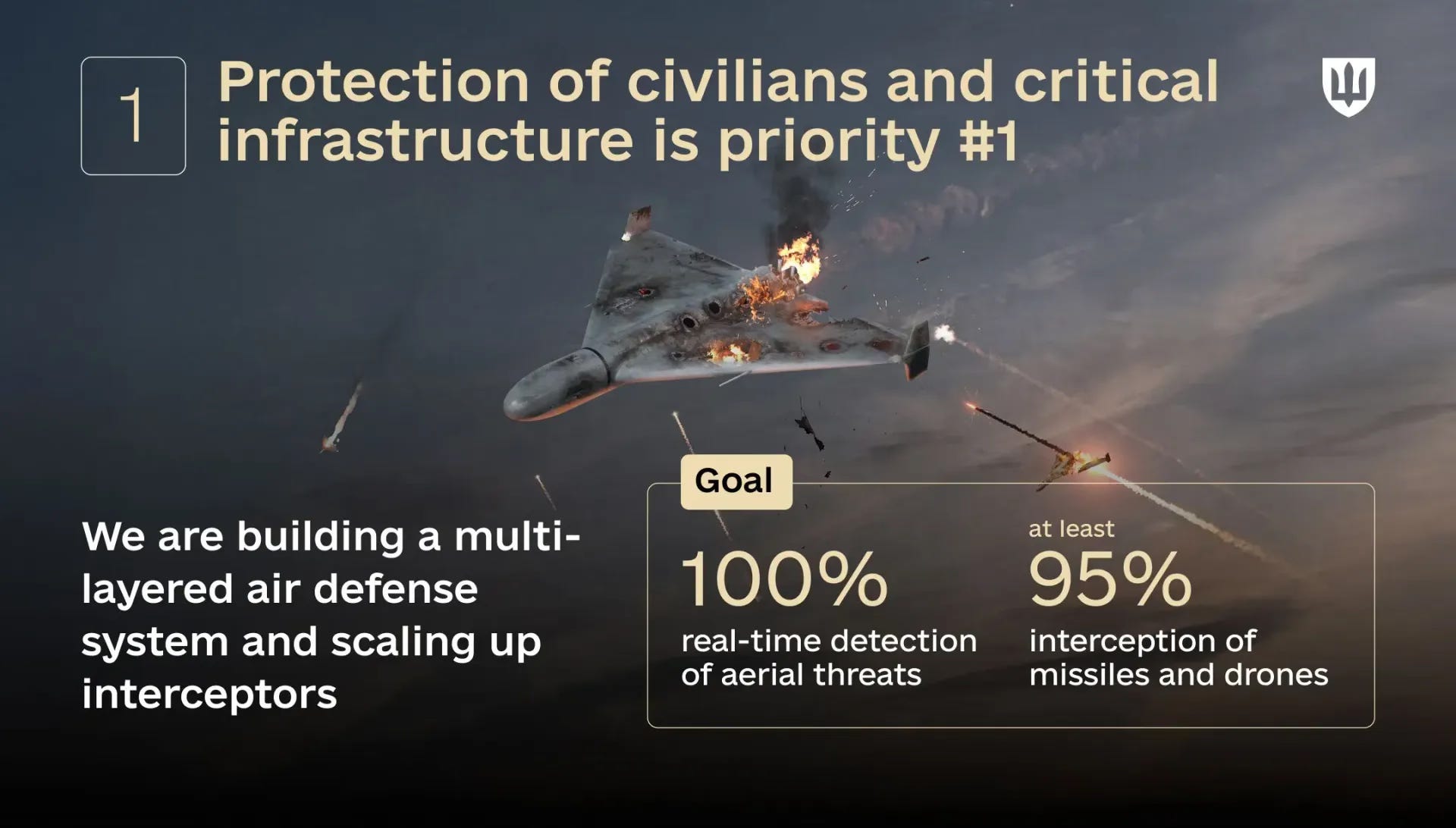
It represents a simple and accessible explanation of how Ukraine seeks to execute its national defensive strategy while at the same time putting sufficient military and economic pressure on Russia to come to peace negotiations and participate in a serious way. What impact the new Iran War has on the implementation of the War Plan remains to be seen.
You can read the full plan at this link.
The Ground War. The week saw Ukrainian announcements of territorial gains in the south. President Zelenskyy initially described how Ukraine had regained 300 square kilometres of Ukrainian territory. Commander-in-Chief, General Syrskyi, later revised this to 400 square kilometre’s liberated late January. This represents Ukraine’s most significant territorial recovery since 2023. But 400 square kilometre’s across a 1,200-kilometer frontline represents a small adjustment, not an operational reversal or change in strategic momentum.
The southern gains are linked to Russia’s Starlink disruption following SpaceX’s February implementation of the Ukraine whitelist. Russian forces, who became heavily dependent on pirated Starlink for command-and-control and drone operations, experienced communications degradation that saw a break down of Russian tactical C2 in some areas. A NATO official suggested to The Moscow Times that “taking that link away has put the Russians in somewhat of a command and control bind” particularly affecting southern sector operations.
However, as I have written since the beginning of the war, adaptation in war is constant. The Russians have learned how to learn better since 2022, and they will develop workarounds for their Starlink deficit. This could include black-market terminal registration, alternative satellite systems, or doctrinal adjustments emphasizing less communications-dependent operations. As I noted in a recent piece on this topic, the tactical advantage gained by Ukraine from the Starlink disruption is almost certainly temporary. What matters is whether Ukrainian forces can consolidate gains and establish defensive positions before Russian adaptation occurs and they regain any tactical momentum.
In eastern Ukraine, Russia’s remorseless offensive operations continued to generate large numbers of Russian casualties while gaining only small amounts of territory.
On the Russian Pokrovsk axis of advance, this week the Institute for the Study of War stated that it had “not observed evidence of Ukrainian forces operating within Pokrovsk since late January 2025.” Yet it also noted the following:
Russian forces have failed to capitalize on the seizure of Pokrovsk and to make further operationally significant advances, demonstrating that the Russian seizure of the rest of Donetsk Oblast is not imminent or inevitable.
This reflects the larger operational pattern established by Russian forces in the past few years. While Russian forces can achieve tactical objectives through overwhelming firepower and mass human and materiel losses, they are unable to exploit these in the short term due to exhaustion, logistical constraints, or Ukrainian defensive preparations.
Flamingo Strike: Part of Ukraine’s Strike Force. The week, Ukraine’s troubled FP-5 Flamingo cruise missile appears to have finally delivered on its promise with a strike on the Votkinsk Machine Building Plant. This is a facility that produces Iskander ballistic missiles, the submarine-launched Bulava, and reportedly Russia’s new Oreshnik intermediate-range system.
Satellite imagery analysed by OSINT groups confirmed a 30×24 meter hole in Workshop 19’s roof, with burn patterns suggesting the missile’s warhead detonated inside the structure. President Zelenskyy confirmed all Flamingos reached their target, penetrating Russian air defences that had previously claimed success against earlier Flamingo strikes.
Russian Aerial Strikes Continue. Russia’s anniversary attacks demonstrated continued prioritization of Ukraine’s energy infrastructure. On 23 February, Russia launched 197 drones and 50 missiles. Two days after the anniversary, another barrage of 420 drones and 39 missiles targeted energy facilities. Ukraine claimed 90% intercept rates on both attacks, but even 10% penetration against dispersed infrastructure produces cumulative degradation of power infrastructure.
The campaign’s effectiveness shows in the numbers. Russia Matters reported that Ukraine’s available generating capacity fell from 33.7 GW pre-invasion to approximately 14 GW as of January 2026—a 58% reduction. Zelenskyy has stated that “there is not a single power plant in Ukraine that the enemy has not attacked,” with approximately half of Kyiv’s 12,000 apartment buildings losing heating during winter.
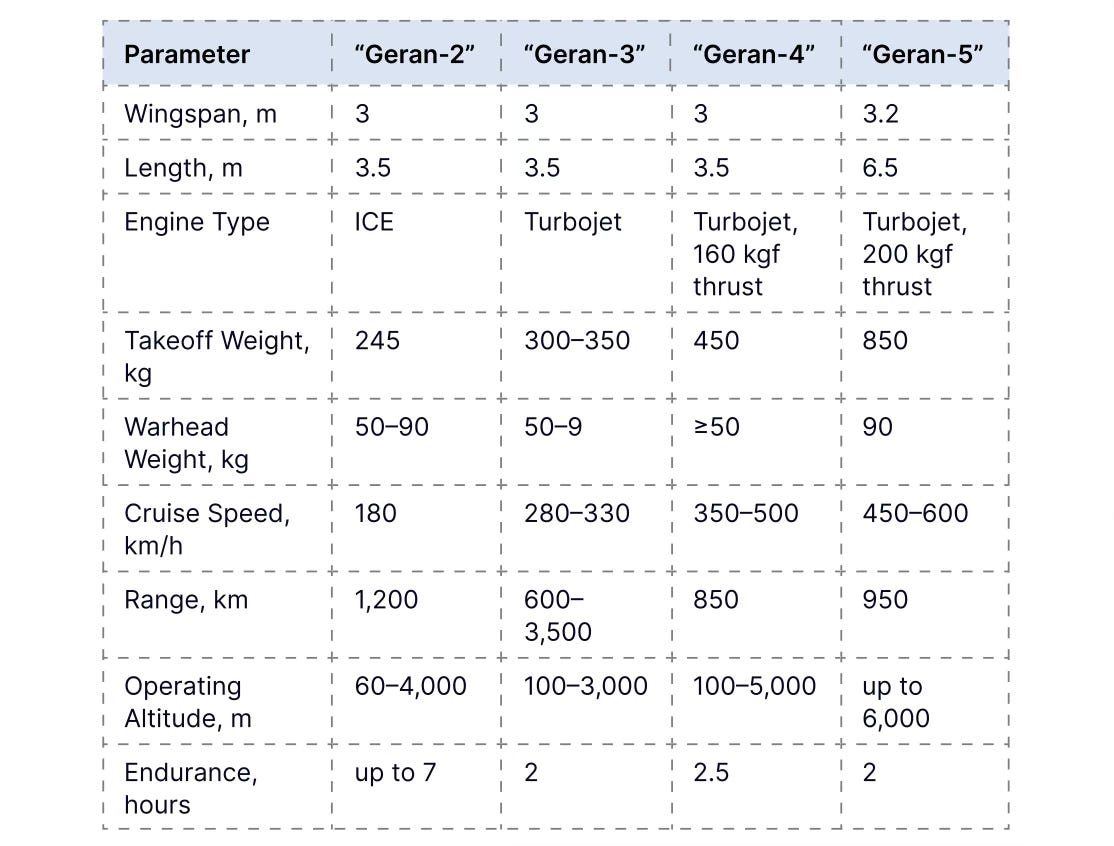
To support this aerial strike campaign, Russia is producing approximately 4,000-5,000 Shahed / Geran drones monthly and maintains substantial stocks of cruise and ballistic missiles. Ukraine cannot shoot down everything indefinitely and is reliant on high-end western air defence systems like the Patriot system to intercept the most capable Russian missiles.
Negotiations: Road to Nowhere. The anniversary of Russia’s full-scale invasion this week saw continued diplomatic manoeuvring although this again saw Russian delaying tactics and no substantive progress. Bilateral US-Ukraine talks concluded in Geneva on 27 February, with Ukrainian negotiator Rustem Umerov describing “preparations for the next round of negotiations.”
Russia’s negotiating position remains unchanged: Ukraine must cede not just occupied territory but unoccupied portions of Donetsk and Luhansk oblasts as preconditions.
Ukraine to Export Weapons. Ukraine’s announcement of opening 10 weapons export centers across Europe signals confidence in its indigenous defence industrial capacity despite wartime constraints. President Zelenskyy stated that Germany would begin producing Ukrainian drones in mid-February, with UK production lines already operational. This geographic dispersal of production mitigates risks from Russian strikes while generating export revenue.
Russian Sabotage in Ukraine. On 22 February, Ukrainian officials accused Russian intelligence of coordinating an IED attack on a Lviv shopping center killing one and injuring 25. Similar incidents—including a car bombing in Kyiv injuring two people including a National Guard officer—suggest systematic Russian efforts to extend the war beyond military targets.
This sabotage by the Russians parallels similar campaigns across Europe over the past few years. The strategic logic for this Russian sabotage and subversion campaign goes something like this: if Russia cannot break Ukrainian military resistance, it may attempt to fracture civilian cohesion through sustained terror. The campaign’s effectiveness remains limited thus far.
The Pacific Update
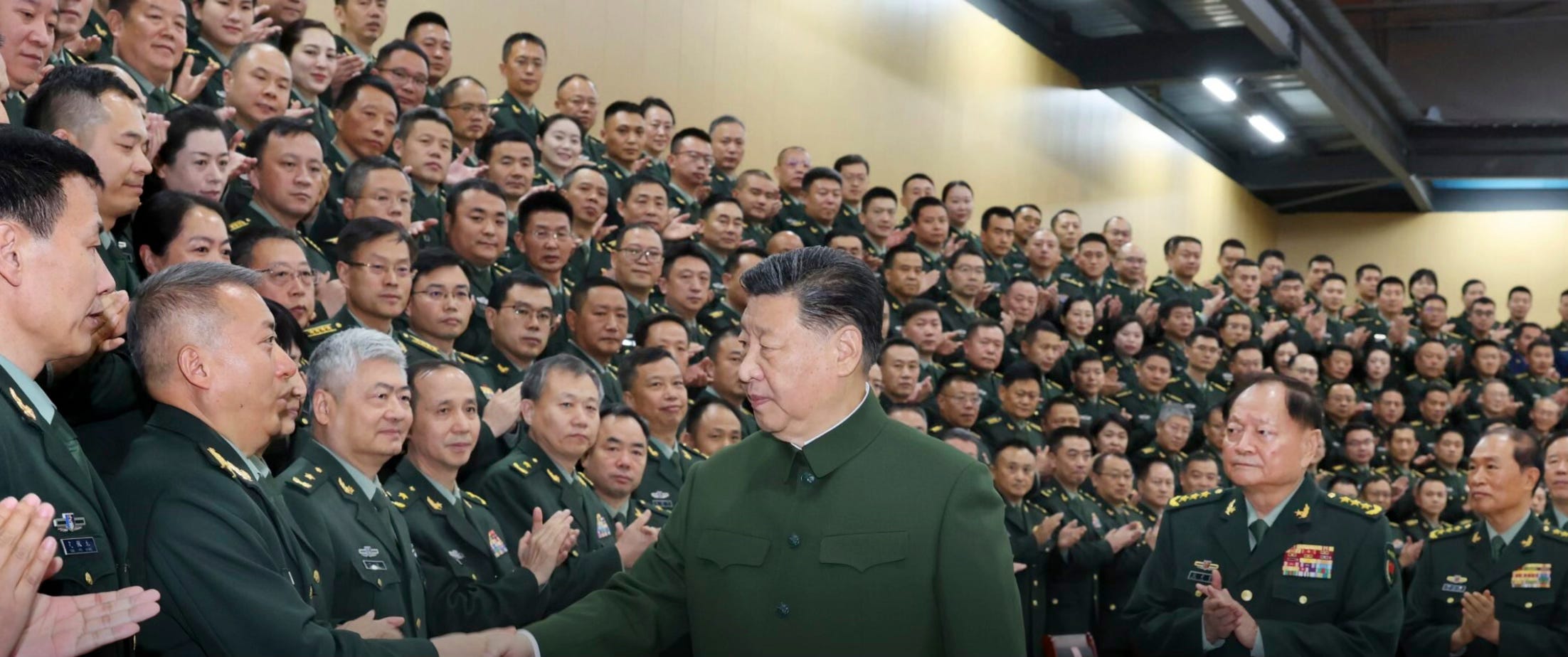
Chinese Purges Continue. This week saw further sackings of senior members of the PLA by President Xi. China’s top legislature as removed nine military officials from its list of deputies ahead of Beijing’s biggest annual political meeting next week, according to state news agency Xinhua.
Xi’s ongoing military purges present a paradox analysts struggle to reconcile. The December 2025 Pentagon China Military Power Report characterized the People’s Liberation Army as experiencing “simultaneous disruption and advancement”—extensive leadership purges and procurement investigations creating turbulence even as capability development surges forward. The Central Military Commission has shrunk from seven members in 2023 to two, transforming it from deliberative body into extension of Xi’s personal authority.
This consolidation has operational implications. Highly centralized command structures are good for maintaining political control (Xi’s priority) but struggle with the rapid decentralized decision-making modern warfare demands.
Yet at the same time, PLA capability development continues. The 2025 Pentagon report provided the clearest articulation yet of Xi’s 2027 “Centennial Military Building Goal”—achieving capabilities required to prevail in Taiwan conflict involving American intervention, deterring US involvement through nuclear and conventional means, and preventing allied participation.
For those interested in a full list of the nine military personnel purged by Xi this week, Lyle Morris has posted the names at this link.
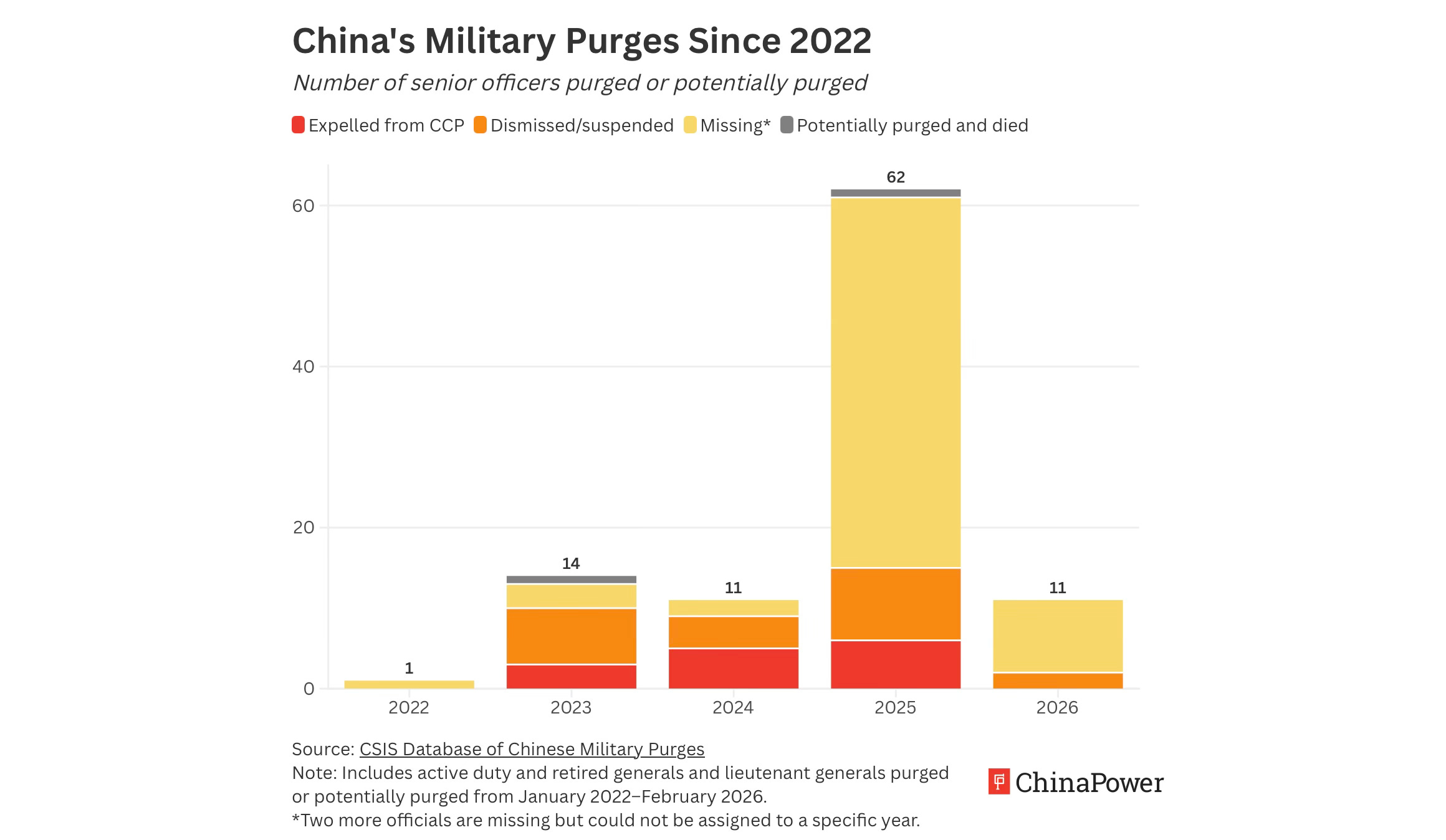
Related to this news, the CSIS China Power initiative has published a database and report this week that provides a systemic examination of Chinese military purges. The report is full of statistics about the purges including ranks, services, commands and other information about those who have been purged. It also provides a very useful assessment of the impact of the purges.
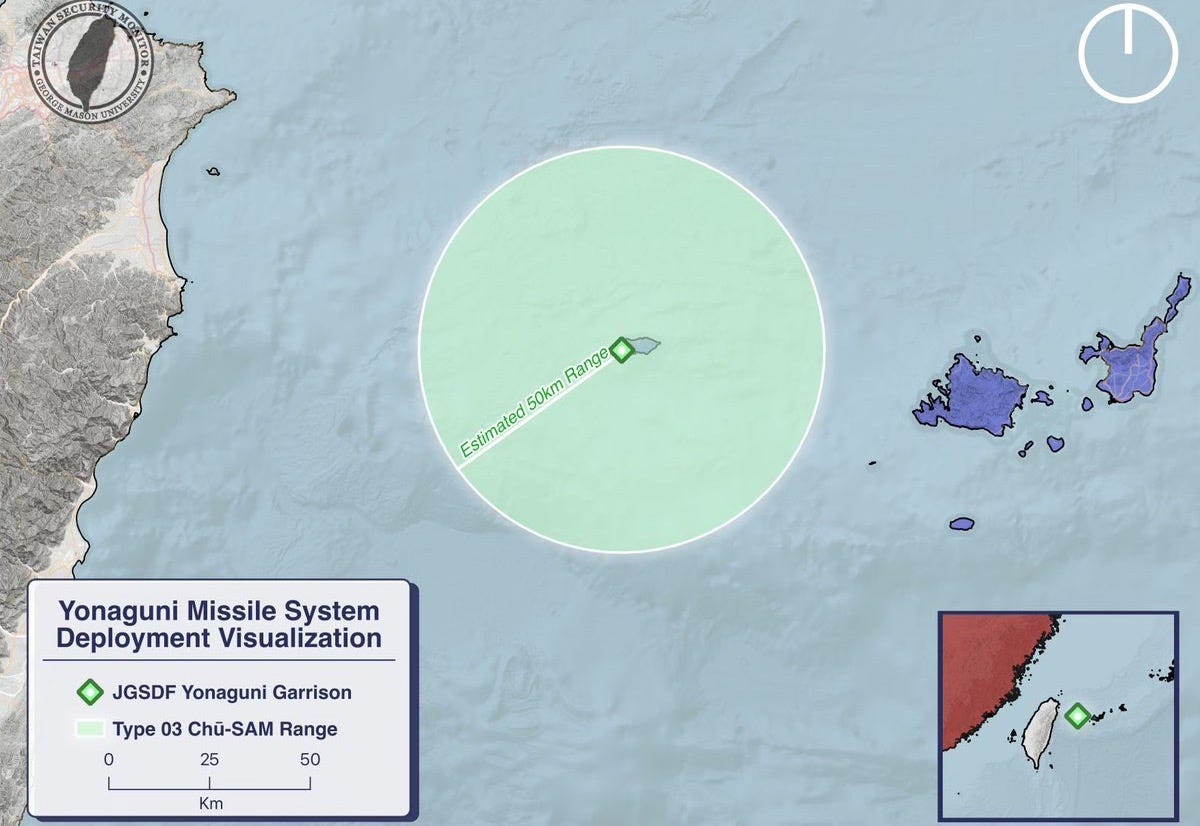
The Yonaguni Missile Deployment. Japanese Defence Minister Koizumi announced on 24 February that Japan would deploy its Type-03 medium-range surface-to-air missiles to Yonaguni Island by fiscal 2030. Yonaguni, which is Japan’s westernmost territory, sits 110 just kilometre’s off the east coast of Taiwan. The decision to station upgraded air defense systems there transforms recent alliance commitments into concrete force posture settings that complicate Chinese military operations against Taiwan – and deeper into the Pacific.
The Type-03 Chu-SAM Kai system represents Japan’s response to the hypersonic and ballistic missile threat that is increasing in North Asia. The upgraded missile’s capability against hypersonic threats addresses an important operational requirement. Chinese DF-17 and DF-21 missiles currently hold Japanese (and American) bases and naval forces at risk throughout the country.
But there is also a more important political signal being sent by this missile deployment. Japan, and its newly re-elected government, are willing to accept the political and operational risks inherent in forward-positioning air defence assets within potential Chinese operating areas.
This decision is just one element of a broader Japanese defence transformation. Prime Minister Takaichi’s government committed to achieving 2% GDP defense spending two years ahead of schedule.. The Japan Maritime Self-Defense Force’s acquisition of Tomahawk cruise missiles for the destroyer JS Chokai in 2026, combined with F-35B integration on converted Izumo-class carriers, creates a credible stand-off strike capability.
Not only is this a significant change to military structure and posture for Japan, it is the most significant transformation of Japan’s national defence policy since 1945.
More U.S. Missiles for the Philippines. The US has announced that it is expanding advanced missile system deployments to the Philippines. This is part of the recent U.S. National Defense Strategy and its focus on defence of the first island chain in the Pacific. Deploying medium and long range missiles to The Philippines completes an emerging missile belt spanning the length of first island chain from Japan to the Philippines. These deployed systems create overlapping engagement zones and complicate Chinese operational planning for different Taiwan scenarios as well as any Chinese naval operations beyond the first island chain. Combined with Japan’s Yonaguni missile deployments (see above) and existing U.S. and Japanese Okinawan bases, this allied missile chain establishes a persistent threat to Chinese forces transiting the Miyako Strait or operating in the Philippine Sea.
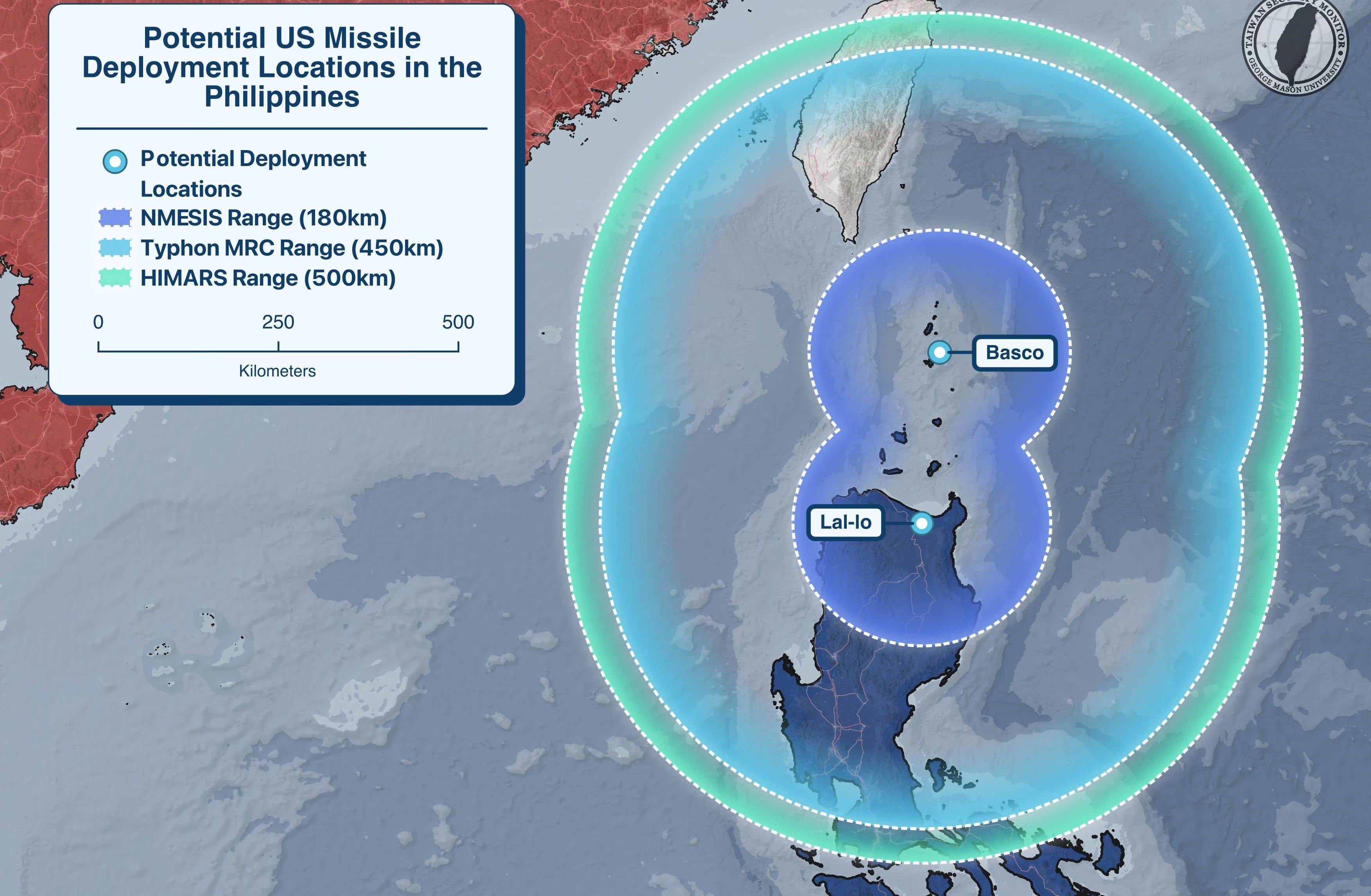
A quick look at the geography makes it clear that this is a commonsense allied strategy. With allied territory to the north and south of Taiwan, any Chinese amphibious operation against Taiwan must secure flanks against potential Japanese or Philippine intervention while maintaining focus on the primary objective. Distributed forces with modern strike systems (and ground based missile systems have a low signature) can impose costs from multiple directions, forcing Chinese planners to maintain wider defensive perimeters consuming forces that might otherwise mass against Taiwan.
To finish this off, I also think the past 24 hours have shown how effective American forward-deployed air and missile defence systems can be.
Pentagon Funding for Taiwan Contingencies. A departmental spending plan delivered to the US Congress by the Pentagon this week contained detail on how the US Department of Defense will allocate US$850 million for the US Indo-Pacific Command to replenish weapons stockpiles used for military aid to Taiwan. The funds would be sourced from the US$152 billion the department obtained through a reconciliation bill passed last year. The purpose of the funds is to strengthen joint task forces’ combat capabilities and to purchase new equipment to replace equipment being provided to Taiwan.
Trump Delays Taiwan Weapons Package. Despite the positive news above, the Trump administration has delayed a multibillion-dollar arms package destined for Taiwan. According to the Taipei Times, this delay is to ensure that the forthcoming Trump visit to Beijing is successful.
*******
Thanks for reading my weekly update on Ukraine and the Pacific as well as my assessment of the new Iran War on these theatres. I am sure there will be many strategic twists and turns in the days and weeks ahead, and I look forward to sharing my assessments and strategic insights with you.
Fully agree. China can continue to use regional proxies (Iran, Russia) to distract and degrade capabilities in the Pacific, and cozy up to Trump with the lure of big trade deals. Add in a crisis in US domestic politics next November, and China can afford to be very patient.
Semantic quibble: It's not "[your] normal update on events in Ukraine" but rather your "regular" update. There is nothing normal about events in Ukraine.