
Trump Dumps Peace Talks
Today’s Trump-Putin call foreshadows the beginning of a new phase in the Ukraine War, and in negotiations over war termination.

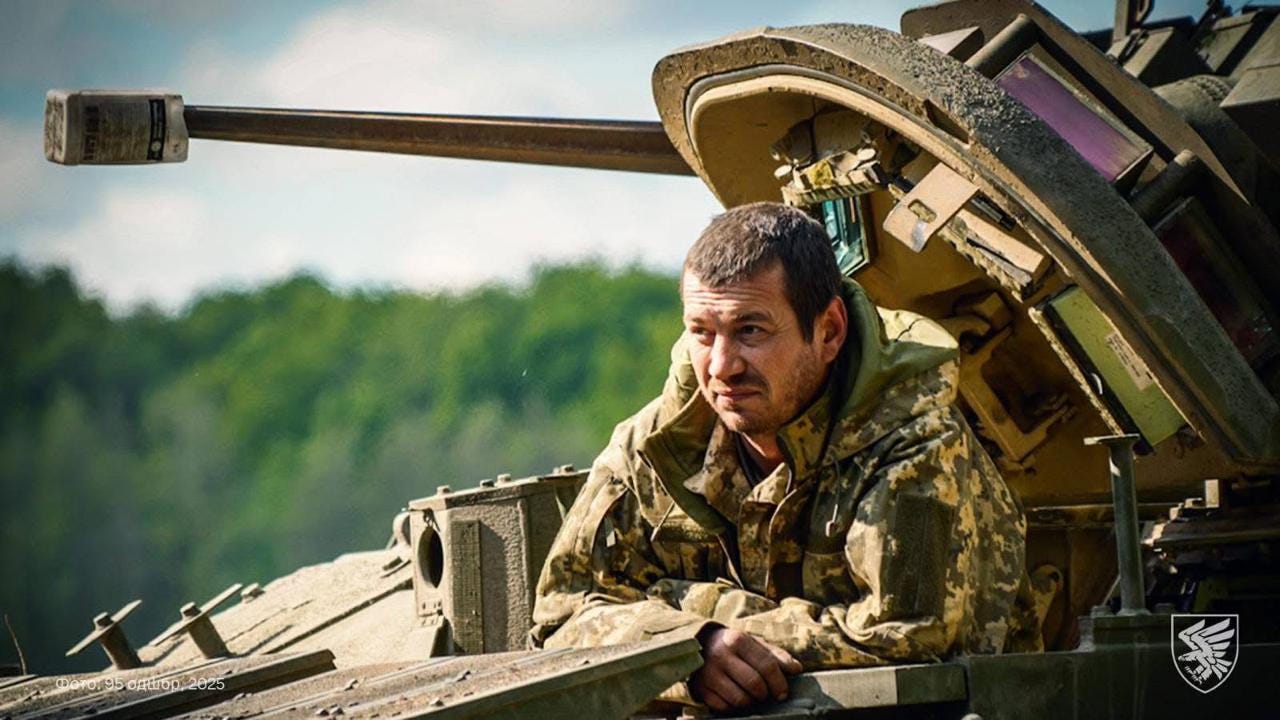
In a certain sense, Putin is even right — to end the war in Europe, we really do need to eliminate its “root causes.” It’s just that the true “root causes” aren’t the existence of Ukraine as a state and as identity, as Russian war propaganda insinuates, but rather the existence of modern Russia itself — a country where, under the complacent gaze of weak Western democracies, a fascist, oligarchic regime has flourished. Illia Ponomarenko, 20 May 2025
The U.S. President, Donald Trump, had another conversation with Russia’s president today. The two-hour conversation focused primarily on Ukraine peace negotiations but also covered other topics related to the America-Russia relationship. Trump posted a precis of his conversation with Putin on social media. Putin issued a media release through his official website. Trump’s statement was more specific about issues discussed, while Putin offered a more general description of the call.
Today’s discussion between Trump and Putin probably indicates that we are at the start of a new phase in the Ukraine War, and in negotiations over war termination. This is an initial assessment of what occurred in the phone call, the key topics discussed, and what it means for the trajectory of the war.
What Were the Key Topics?
The first, and most important topic (at least to most of us) was the peace process in Ukraine. Trump wrote that Russia and Ukraine (note Trump always preferences Russia over Ukraine when he writes about the two) will “immediately start negotiations towards a ceasefire.” In his response to the phone call between Trump and Putin, and his call afterwards with Trump, the Ukrainian president describes how:
Ukraine is ready for direct negotiations with Russia in any format that brings results. Türkiye, the Vatican, Switzerland – we are considering all possible venues. It is not necessary to convince Ukraine, and our representatives are prepared to make real decisions in negotiations. What’s needed is a mirrored readiness from Russia to engage in meaningful talks.
Putin, in his statement to the media after the call notes that:
Russia would propose and is ready to engage with the Ukrainian side on drafting a memorandum regarding a potential future peace agreement. This would include outlining a range of provisions, such as the principles for settlement, the timeframe for a possible peace deal, and other matters, including a potential temporary ceasefire, should the necessary agreements be reached.
But then, Putin concludes with what is likely to remain the sticking point in any negotiation:
Russia’s position is clear. Eliminating the root causes of this crisis is what matters most to us.
These root causes, in Putin’s mind, include Ukraine being a sovereign nation, being able to make decisions about its own prosperity, security and future, as well as wanting to orient itself towards the west, including membership of EU and NATO.
Putin is reasserting that Russia’s maximalist objectives for this war have not changed. And, it goes without say, he has not accepted a ceasefire.
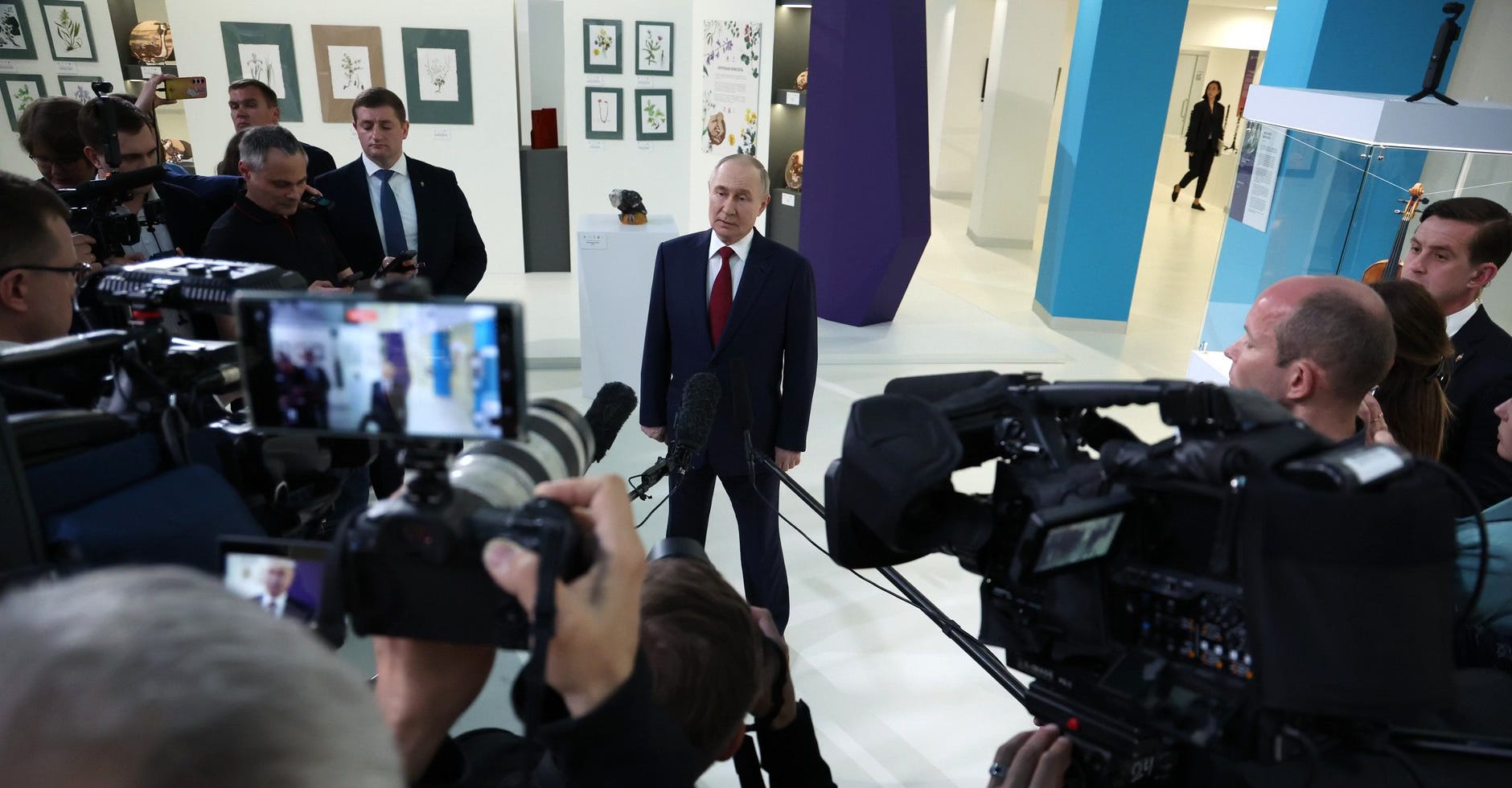
The second topic was America doing business with Russia. Despite the current sanctions regime, Trump keeps returning to this topic. In his social media post he describes how:
Russia wants to do largescale TRADE with the United States when this catastrophic bloodbath is over and I agree. There is a tremendous opportunity for Russia to create massive amounts of jobs and wealth.
The fact that this bloodbath was started by Russia, and has been continued by Russia, is an uncomfortable truth for Trump and is ignored. This is a continuation of Trump’s victim-blaming for the war and demonstrates (again) a total lack of empathy for Ukraine or the situation forced upon it by Putin. And it is clear (if it wasn’t already) that stopping the killing is just a fig leaf for Trump in achieving the most important objective – getting back to business and making money in Russia.
But even if Trump drops American sanctions against Russia, European sanctions against Russia will complicate American re-engagement with Russia. And do American businesses really want to jump back into Russia given the level of corruption in that nation? These reports (here and here) indicate the answer at present is ‘no’.
A third topic raised in Trump’s read out - but not in Putin’s - was a prisoner exchange between America and Russia. OK, no problem with that.
There were a couple of topics absent from the readouts, noting that these might have been discussed but omitted from Trump and Putin’s descriptions of the call.
First, there was no mention of sanctions of any kind. Trump has walked away from any leverage he might have had over Putin, but he has dangled the carrot of future trade with America. Despite Trump’s threats since his inauguration about further sanctions against Russia, Putin appears to have successfully called Trump’s bluff on this. This will inform Putin’s future negotiating posture with Ukraine and Europe, and also influence future Russian talks with America on any other issue.
And of course, China’s President Xi is watching on and calculating what kind of deal he can make with Trump about Taiwan.
Second, there was no timeline for achieving a ceasefire. That is because Trump knows, like pretty much anyone else, that negotiating a peace deal between Ukraine and Russia is going to take time. Not days, and not weeks. Given the maximalist position of Putin, and Ukraine’s desire to remain a sovereign nation, the distance in positions between the two nations will take months, and potentially years to resolve.
Finally, this was a two hour and five minutes long phone call. What else might the two leaders have discussed that is yet to be revealed?
What Don’t We Know?
There are a couple of things that remain unclear from the readouts of the call, noting that additional information might be released in the coming days.
First, with the U.S. administration largely walking away from the peace talks and appearing to dump them on the Vatican, what might this mean for American assistance for Ukraine? Will the United States continue to deliver aid promised by the Biden administration, and will Ukraine be able to purchase arms and equipment that it cannot source from its own manufacturing industry or Europe?
Second, how might Europe step into the breach? Trump’s readout of the call described how he had briefed several European government heads as well as the president of the EU about his phone conversation. Clearly Europe has a major interest in supporting the peace talks, but how might that support manifest in the coming weeks? Will the EU or a group of nations take the lead?
Finally, how is Trump’s weakness in dealing with Putin being perceived in Beijing? The war in Ukraine is not just a European issue; it is a war with significant impacts on global security. The interactions of Putin and Trump are providing insights for western leaders as well as authoritarian leaders in China, North Korea and elsewhere about how they can manipulate or deal with the Trump administration.
And of course, it also providing insights for American allies and traditional partners.
The Future Trajectory of the War
Today’s discussion between Trump and Putin indicates that we are at the start of a new phase in the Ukraine War, and in negotiations over war termination. America has cast off any pretentions of being a central player in peace negotiations moving forward. In essence, Trump has done what many feared in the lead up to the November 2024 presidential elections. He has thrown Ukraine under the bus in the hope that he can make money in Russia.
This is a decisive moment for Ukraine and Russia.
For Ukraine, the pathway to peace no longer leads through Washington DC. The latest Trump-Putin phone call probably holds no surprises, but it has clarified in the minds of Ukrainians and many others just where American stands in its relationship with Ukraine. While it is disappointing that the American president no longer supports the defence of democracy or resistance against brutal dictators, at least Ukraine now knows exactly where it stands.
Ukraine must now work primarily with its European supporters and the Coalition of the Willing to ensure it is well placed to secure a favourable war termination agreement. This will have several elements:
Ukraine must continue to increase the proportion of support it receives from Europe. Clearly Europe has some way to go to drastically increase its defence production and support for Ukraine, but the trends on this are heading in the right direction.
Notwithstanding the backseat that Trump has now taken with regards to the war, Ukraine will still need to remain on good terms with the U.S. administration behind the scenes and in the global information environment. The shift in strategy by Ukraine to be more positive publicly towards peace negotiations since the rumble in the oval office in February must be sustained.
Ukraine will need to continue the expansion of its indigenous defence industry. It already builds somewhere between one third and one half of its needs (depending on how you measure this), and this is something that Ukraine will need to continue expanding.
Ukraine must continue fighting Russia to ensure it has a strong hand in any negotiations. This will see Ukraine developing the means to increase the number of Russian casualties on the ground, defend against Russian drone and missile attacks, while also building its own campaign of long-range strikes against Russian targets.
Ukraine will, and should, continue to insist that the 1991 Ukrainian borders remain its domestically and internationally recognised borders. While it may not be able to take back all this territory through military offensives now, returning this territory will remain a Ukrainian aspiration. And, even after a ceasefire, Russia will need to defend these territories lest Ukraine identify opportunities to liberate Russian-occupied parts of Ukraine.
For Russia, this is a useful breakthrough in its relationship with the Trump administration. It is unlikely that Putin in his wildest dreams could have imagined just how well the Trump administration is treating Russia. For Putin, he can take away the following:
As long as he does not escalate the war beyond Ukraine’s borders, Putin now has a free hand to do as he wishes in Ukraine. His massive drone attack against Ukraine the night before this phone call is not mentioned by Trump in his read out, and Putin will take this as acquiescence by Trump for Putin to use all means to force Ukraine to accept Russian terms. This will include kidnapping children, targeting civilians and systemic conduct of warcrimes.
With Trump not mentioning sanctions in his readout, Putin now might believe that the international sanctions against his nation are past their ‘high water mark’ and a slow weakening of this might be possible.
Putin now knows that he has an economic lifeline to rebuild his economy (and continue building his personal wealth) in the event of a ceasefire.
This is not to suggest Putin has a strong hand. The level of casualties he has suffered, and minimal territorial gains he has made in the past year are not indicative of military operations – so far -supporting the achievement of Putin’s maximalist goals for the war.
Trump’s impatience and inability to empathise with Ukraine’s aspirations about its future has guaranteed that this war will be prolonged. Putin has been encouraged and enabled to continue his brutal war against Ukraine by Trump stepping back from any important role in influencing Russia’s aggressive behaviour or negotiating peace.
The people of Ukraine will suffer most because of this.
But, because Xi, Putin and leaders of other authoritarian nations will also be provoked and encouraged to step up their aggression globally because of Trump’s reticence to play a leadership role in Ukraine, all of us will pay a price in the long term.
Note the Australian M1s headed for Ukraine, implying US released them. Perhaps Trump is sending Russia a hint. It may also mean 'release them, or the nuclear sub deal and the F-35 deal are cancelled.'
On the other hand, if the US is sending more or less no more aid unless Congress acts, Ukraine needs no longer appease the Russian fellow travelers of America, and can for example, blow up all Russian oil refineries and high voltage transformers supplying the Russian rails. For the Russians, the latter will be challenging to defend.
👍